
Everything about home solar in NZ
Our complete, independent guide — from whether solar is worth it to wiring, standards, and payback.
Deciding
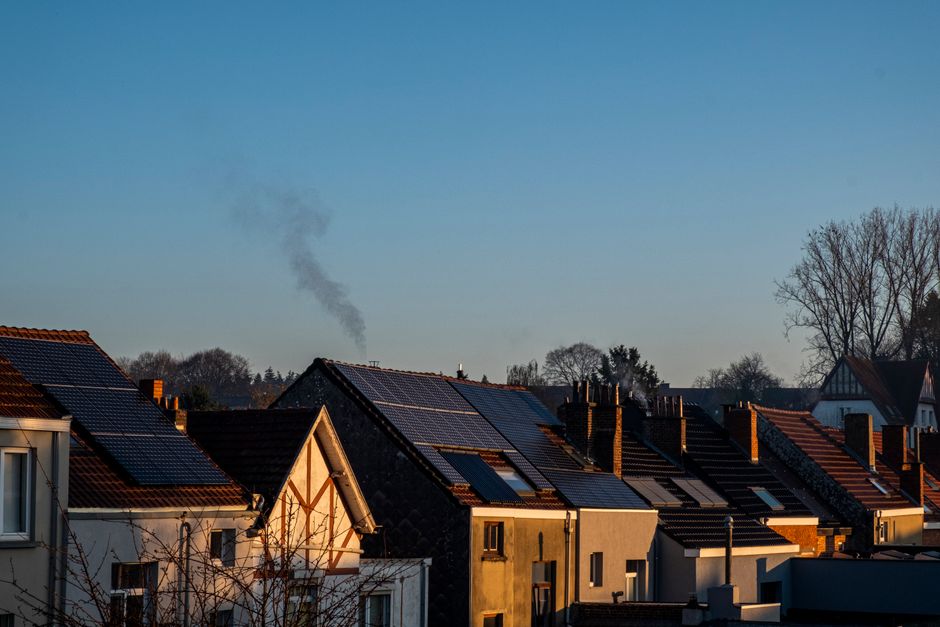
Is solar worth it in New Zealand?
For most NZ homes with a decent power bill and some daytime use, solar pays back in about 6–8 years and saves $1,500–$2,300 a year. Here's the full picture — with the maths.
Solar for rentals and landlords in NZ
The "split incentive" makes solar on rentals awkward — the landlord pays, the tenant saves. Here's how it actually works, the models that solve it, and a myth to ignore.
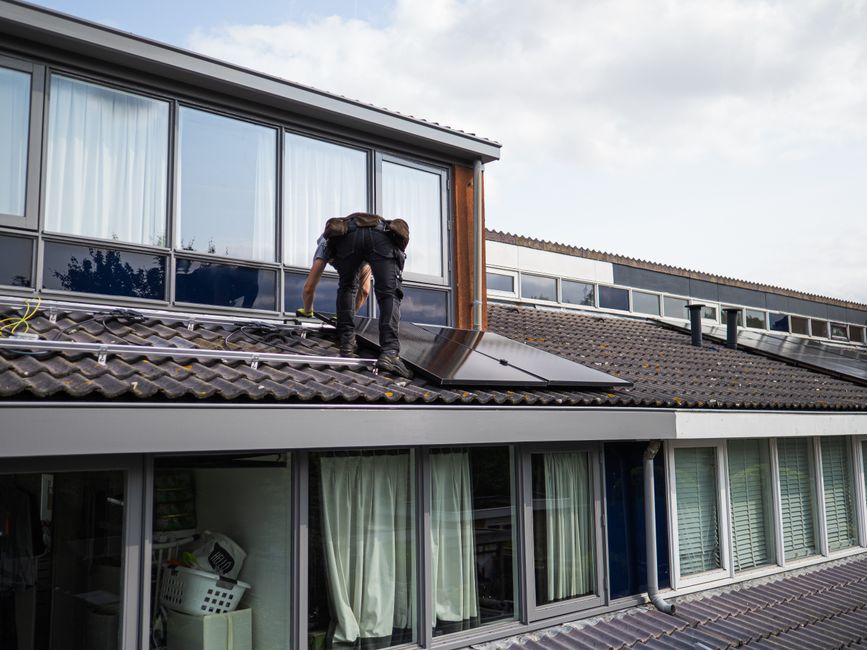
The real pros and cons of home solar in NZ
An honest, detailed look at what home solar actually delivers in New Zealand — and the downsides the sales pitch tends to skip.

Solar vs staying on the grid: doing nothing has a cost too
Sticking with grid-only power isn't free — it's a recurring bill that tends to rise. Here's how the real cost of doing nothing compares to investing in solar.
Who should get solar (and who shouldn't yet)
Solar suits some NZ homes far better than others. The biggest factor isn't your roof — it's when you use power. Here's how to tell which group you're in.
Money
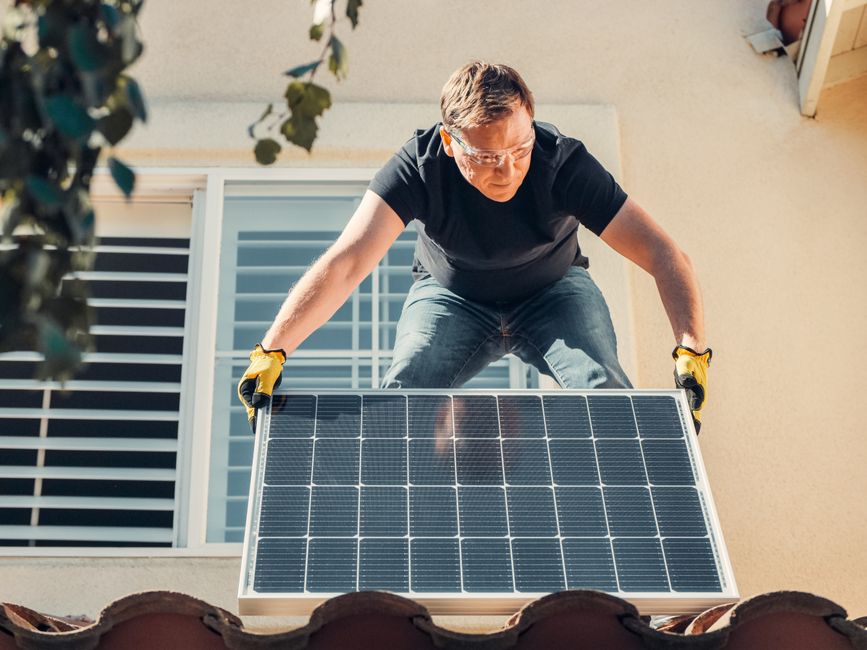
How much does home solar cost in New Zealand?
Most family-home systems run $11,000–$15,000 installed in 2026. Here's the full breakdown by system size, what you're actually paying for, and the costs that catch people out.

How much will solar actually save me?
The average NZ home saves $1,500–$2,300 a year — but the real driver isn't system size, it's how much of your own solar you use. Here's how the savings work, and how to get more of them.
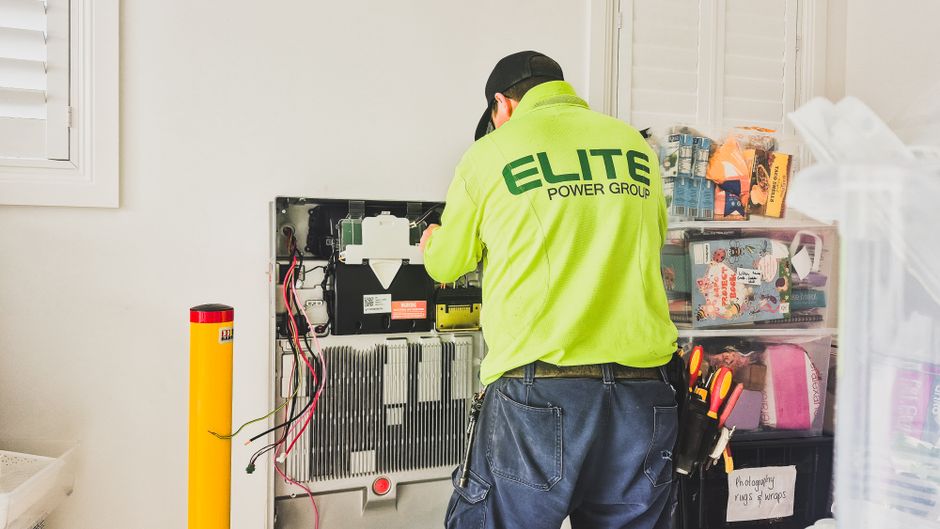
The ongoing costs of owning solar
Solar is low-maintenance, but it isn't zero-cost to run. The big one to plan for is a mid-life inverter replacement; the rest is minor. Here's what to budget for over 25 years.
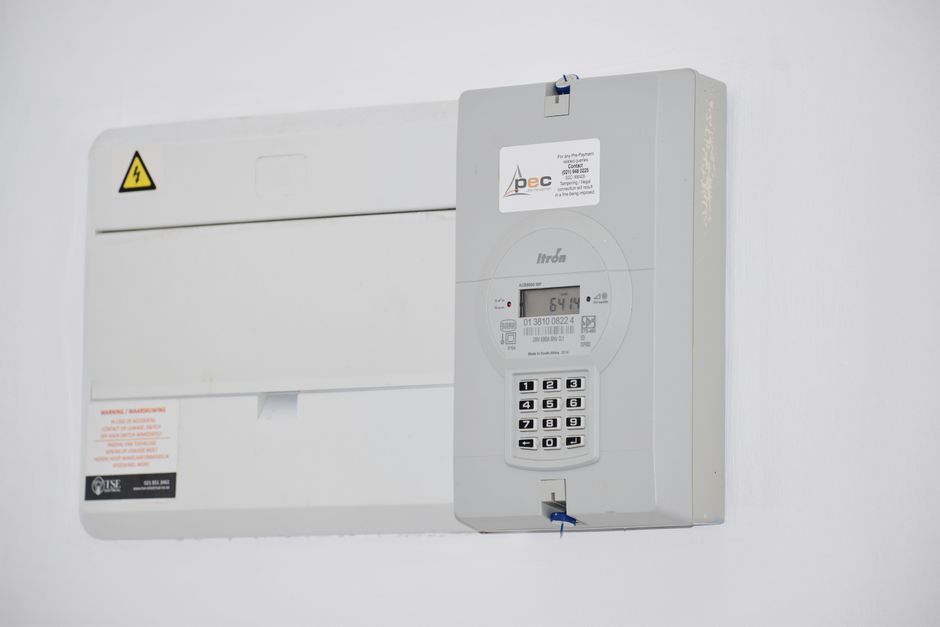
Solar buy-back rates in New Zealand, explained
NZ buy-back rates run from about 8c to 17c+ per kWh, vary by retailer, and are improving in 2026 — but exporting still pays far less than using your own power. Here's how they work and how to compare.

How to finance home solar in New Zealand
The cheapest way to fund solar is usually a bank green loan at 0–1% — often low enough that the repayment is less than the power-bill saving. But the discount window is short, so read the whole-of-term cost.
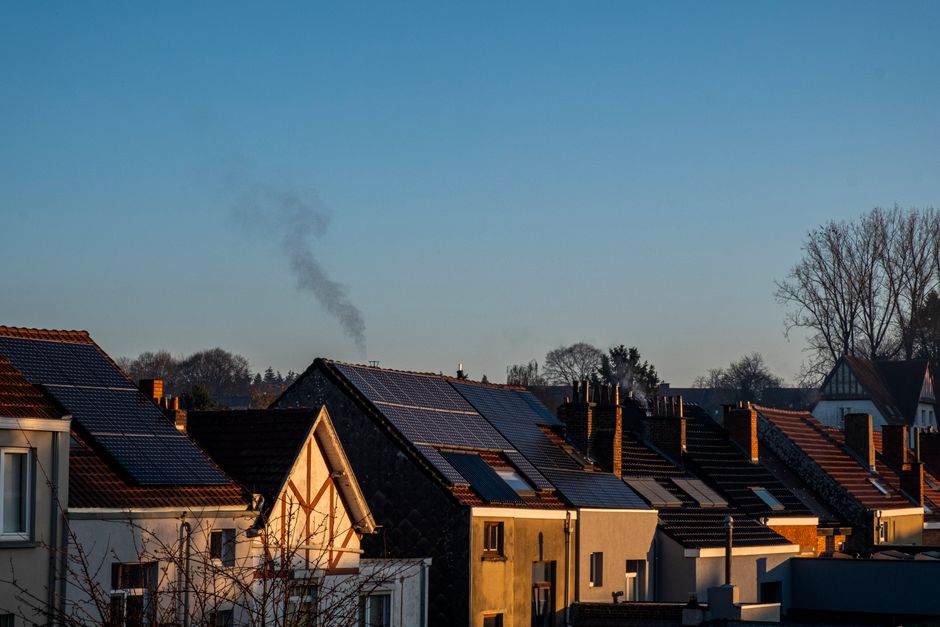
What is the solar payback period in New Zealand?
Most NZ systems pay for themselves in 6–8 years without a battery. Here's how to calculate your own payback, a worked example with the official 39.3c power price, and what makes it shorter.

Are there solar rebates or subsidies in New Zealand?
Unlike Australia, NZ has no national solar rebate. The real "incentives" are cheap bank green loans, a few council schemes, and the 2026 export reforms — and you should be wary of any pitch claiming otherwise.
The basics
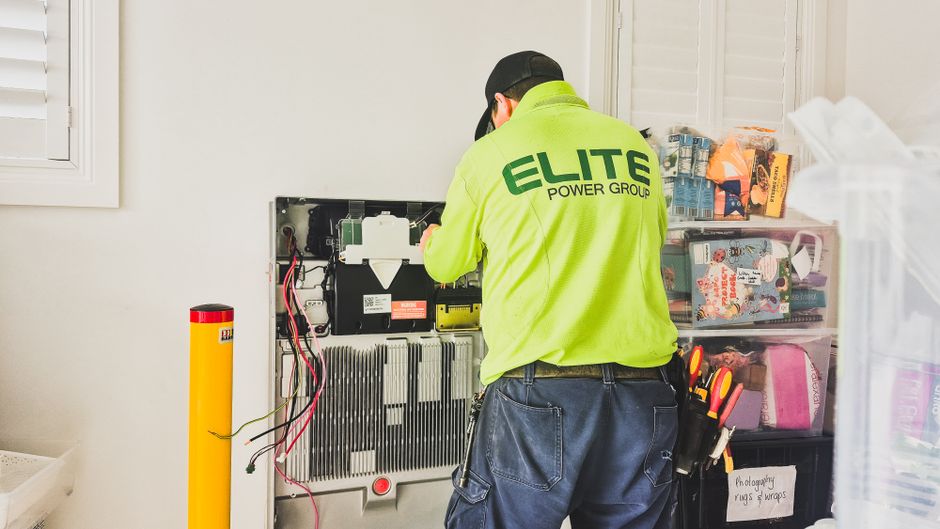
Home batteries — the basics
A battery stores your daytime solar for use after dark. It adds self-consumption and backup — but it's the biggest single add-on. Here's how it works and whether you need one.
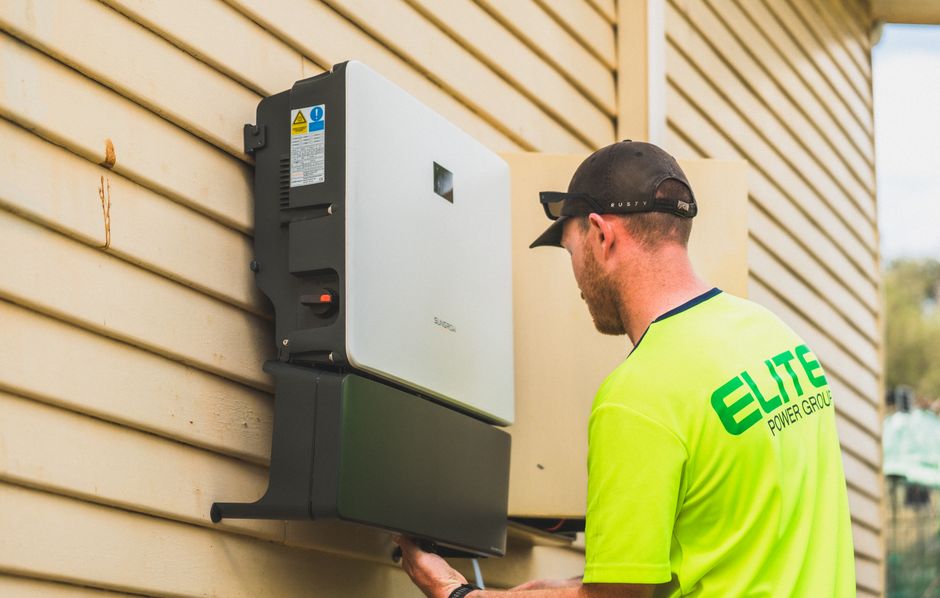
Inverters — the basics
The inverter is the brain of a solar system — it converts your panels' DC into usable AC and runs the show. It's also the part you're most likely to replace. Here's how the three types differ and which suits your roof.
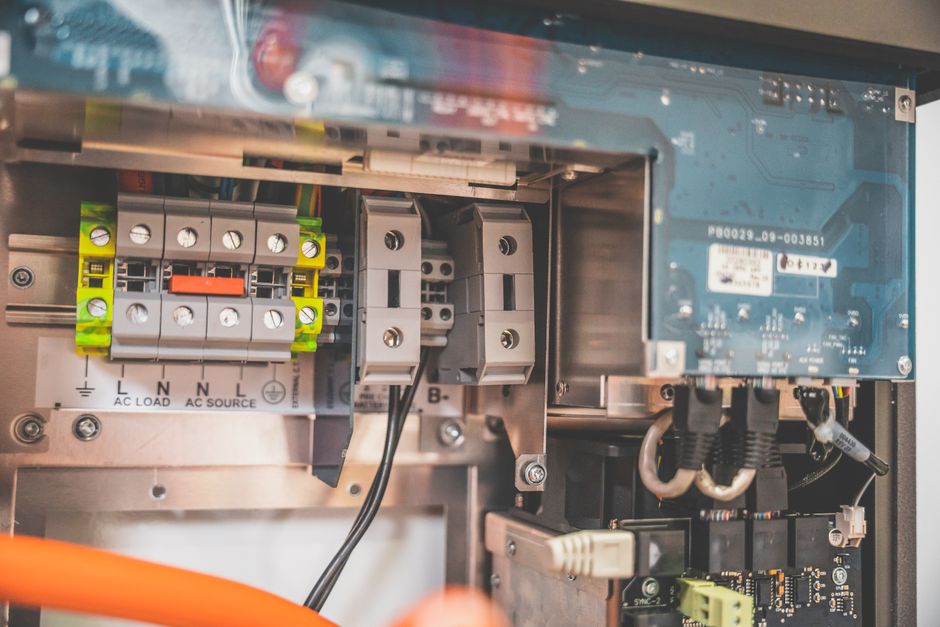
Isolators and safety switches — the basics
Panels make power whenever there's light, so you can't just switch them off. Isolators are the switches that let the system be safely shut down — and their quality matters.
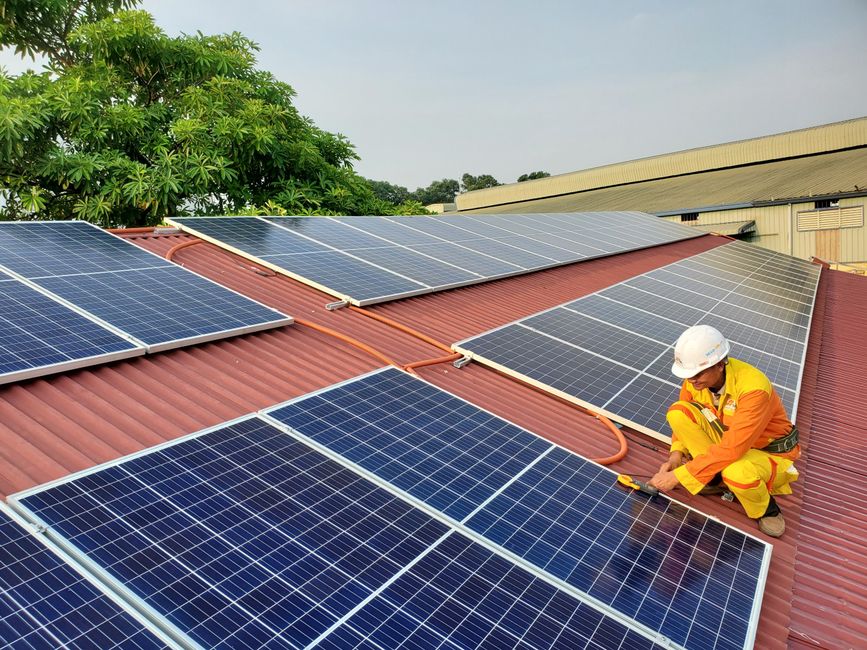
Mounting and racking — the basics
The racking is the metal framework that holds your panels to the roof for 25+ years. It's structural work that has to handle NZ wind — not an afterthought.
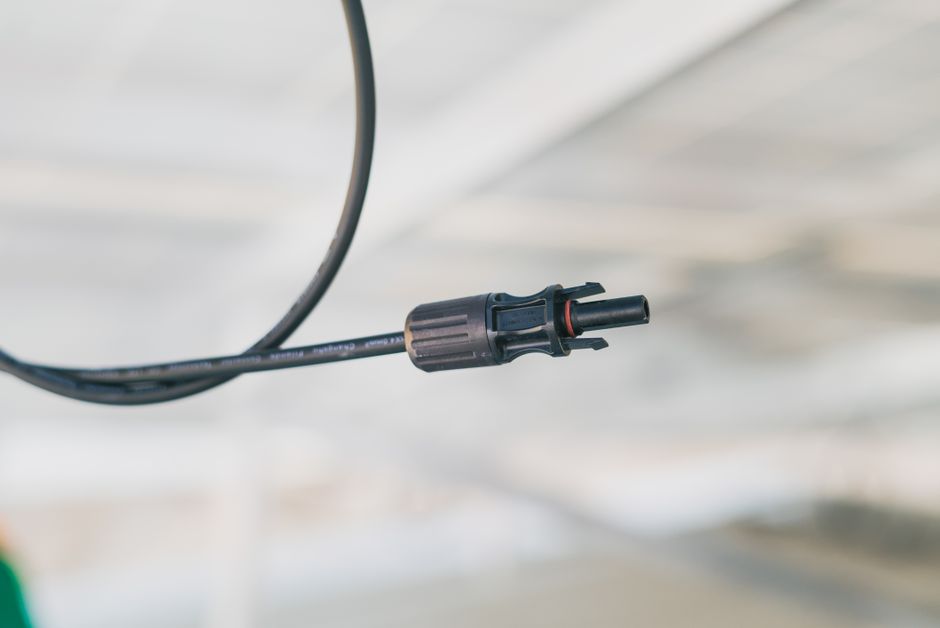
Cabling and connectors — the basics
Cables carry the power from panels to inverter to switchboard. They're sized and specced for safety, not guessed — and the connectors matter more than people think.
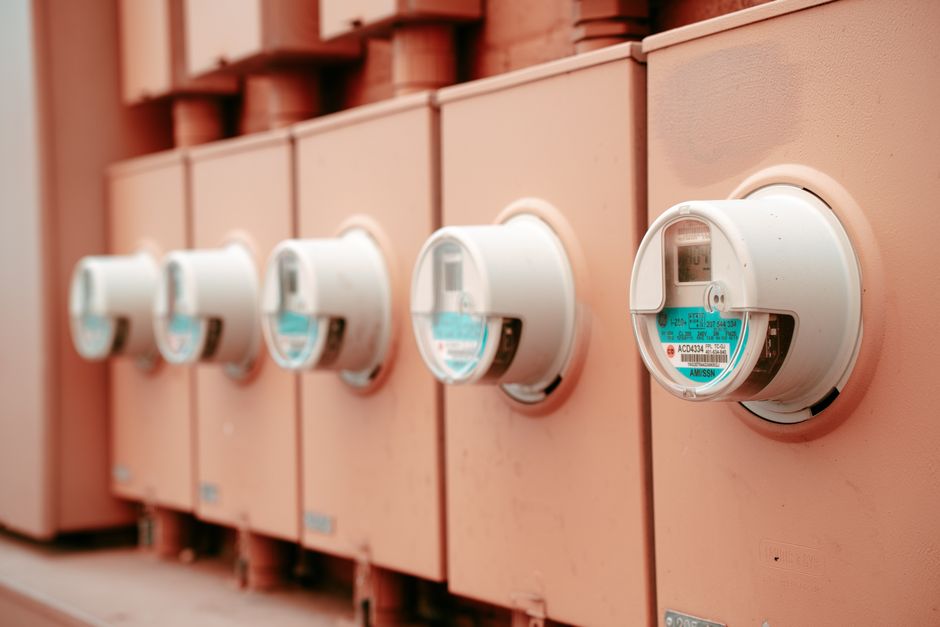
Meters and monitoring — the basics
A smart meter measures the power you import and export; monitoring shows what your system is generating. Together they're how you see solar working — and catch problems early.
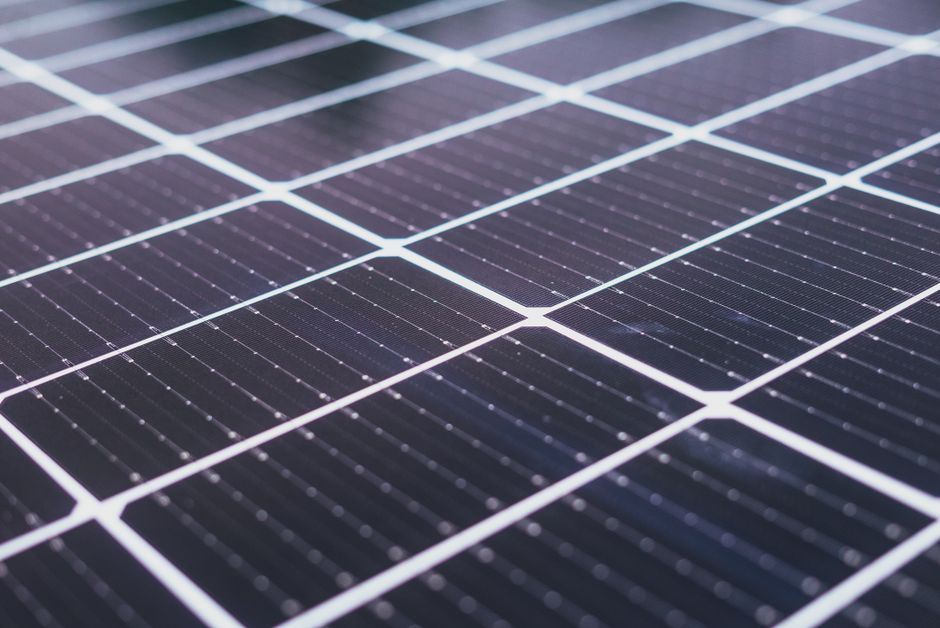
Solar panels — the basics
The panels turn sunlight into electricity, but choosing them is less about technology than people think. Here's how a panel works, the types, the specs that matter, and why the brand and warranty beat the marketing.
How it works
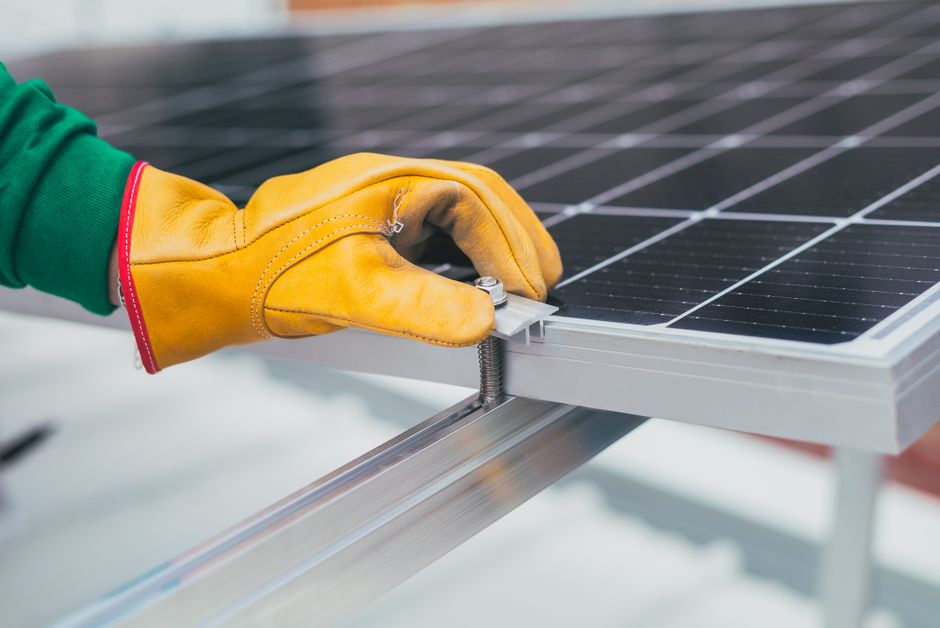
Grid-tied, off-grid, or hybrid — which solar setup do you need?
Most NZ homes want a grid-tied system. Hybrid adds a battery and backup; off-grid cuts the cord entirely and costs the most. Here's how to choose.
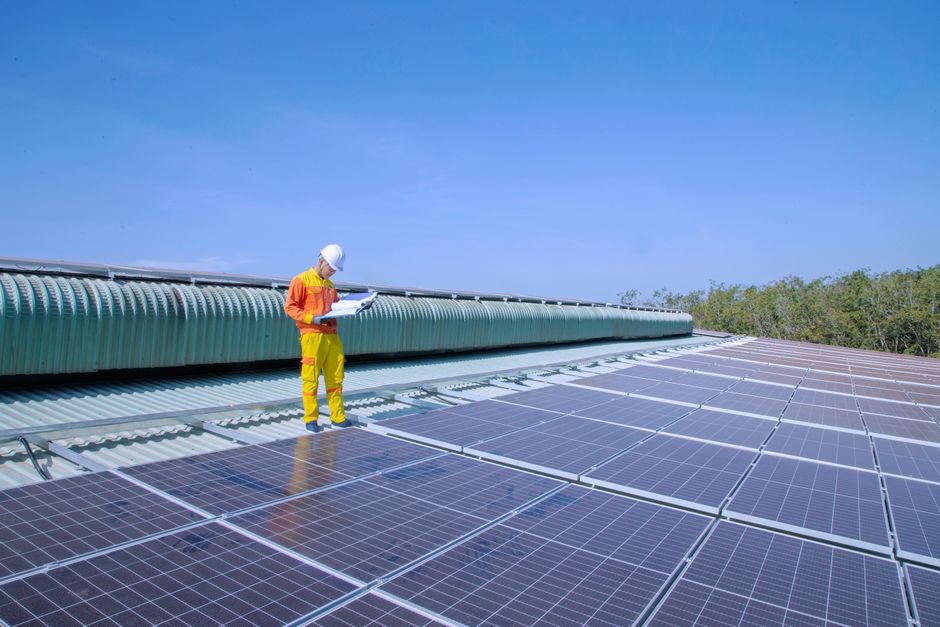
How home solar works, in plain English
Panels make DC power, an inverter turns it into AC your home can use, you use what you need, and the surplus goes to the grid. Here's the whole loop in plain English.
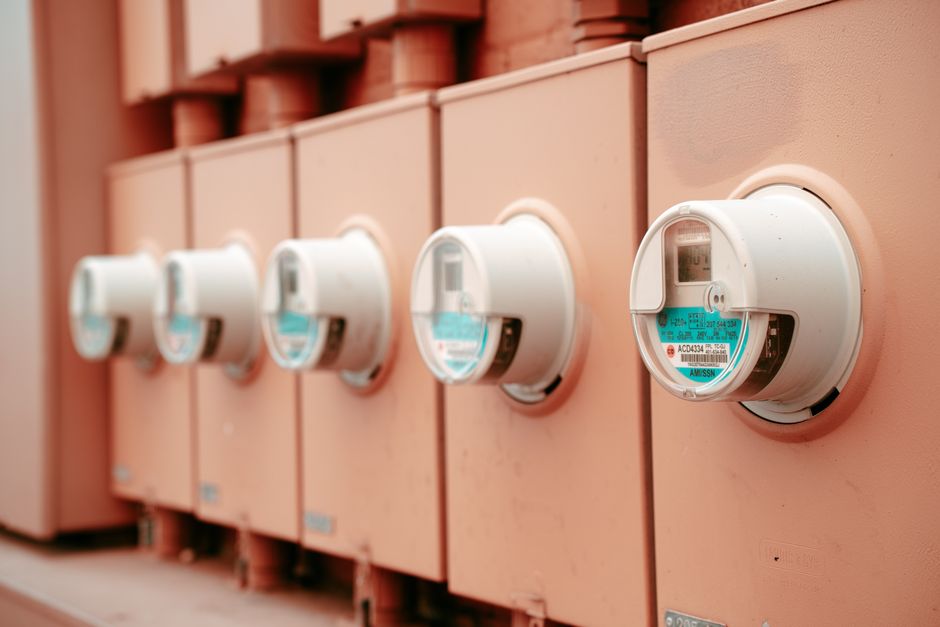
Net vs gross metering in New Zealand
NZ runs on net metering — you use your solar first and only export the surplus. Here's what that means for your meter and your savings.
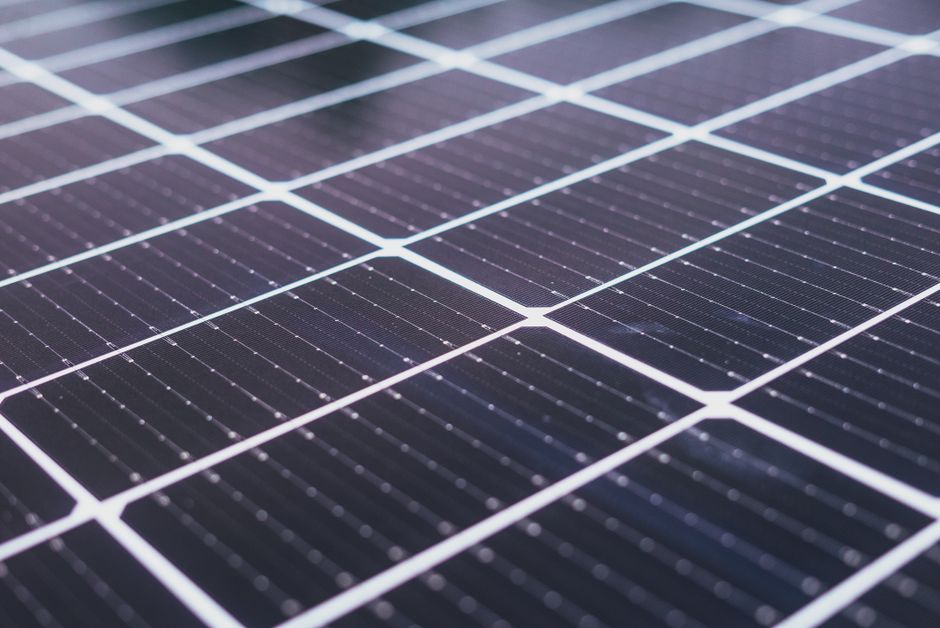
Solar panel types explained (mono, poly, and the rest)
Almost every NZ home uses monocrystalline panels now. Here's the difference between the types — and why "Tier 1" matters more than the marketing.
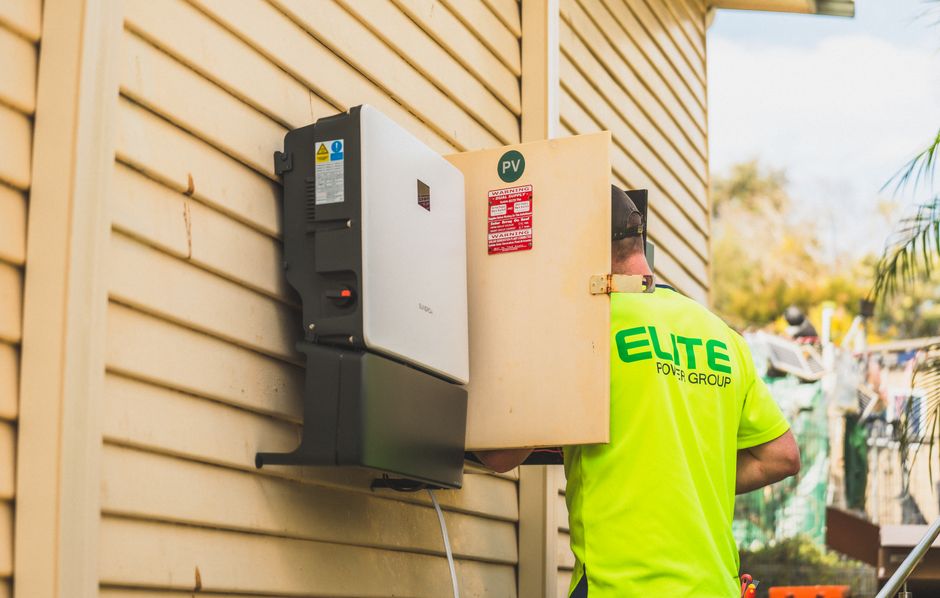
What is a solar inverter (and why it matters)
The inverter converts your panels' DC power into the AC your home uses. It's the brain of the system — and usually the first part you'll replace.
Sizing & choosing
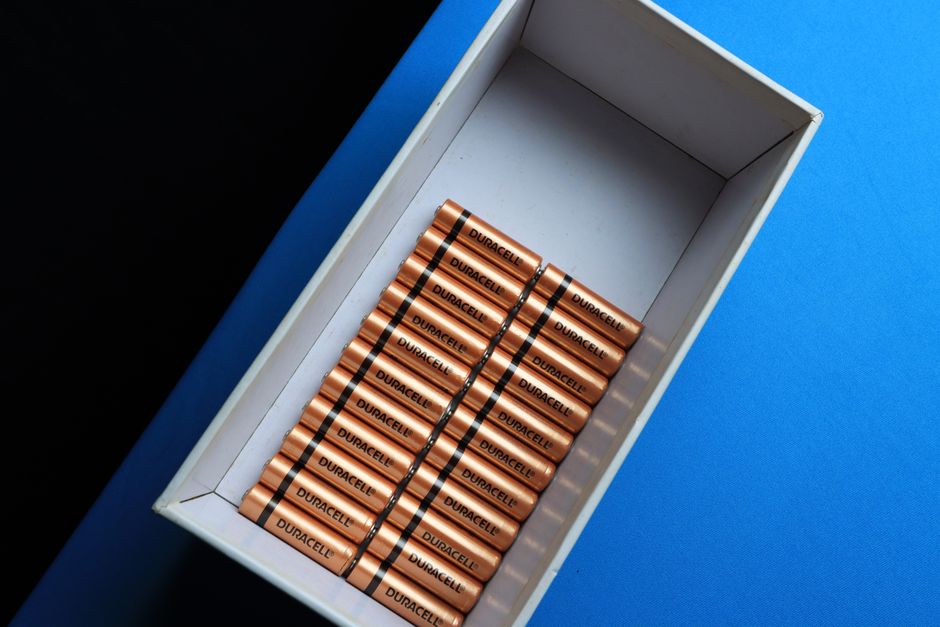
Do I need a battery with solar?
A battery lifts self-consumption from 30–50% to 70–90% and adds outage backup — but it adds $9,000–$14,000 and stretches payback. Here's when it's worth it.
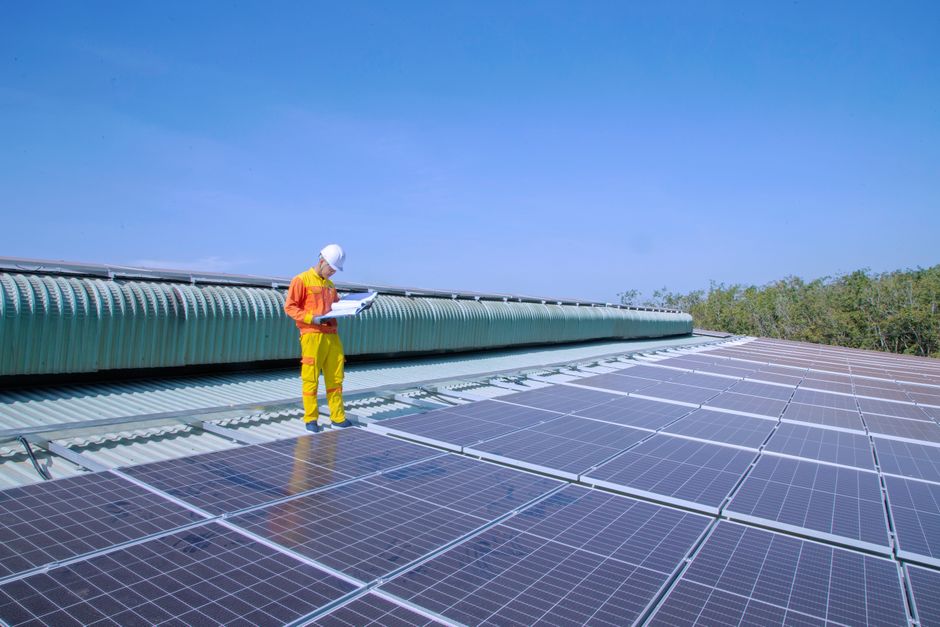
How to choose a solar installer in New Zealand
The installer matters more than the panel. Here's how to vet one — accreditation, a registered electrician, real quotes, and no pressure.
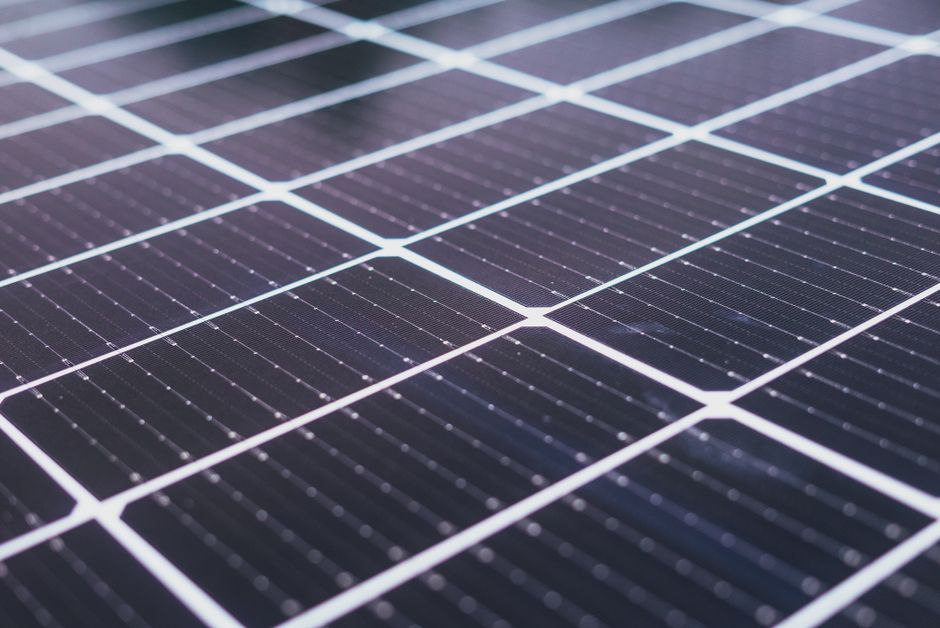
How to choose solar panels in New Zealand
You'll get monocrystalline panels either way — so judge the brand, the warranty, and the installer, not the marketing spec sheet.
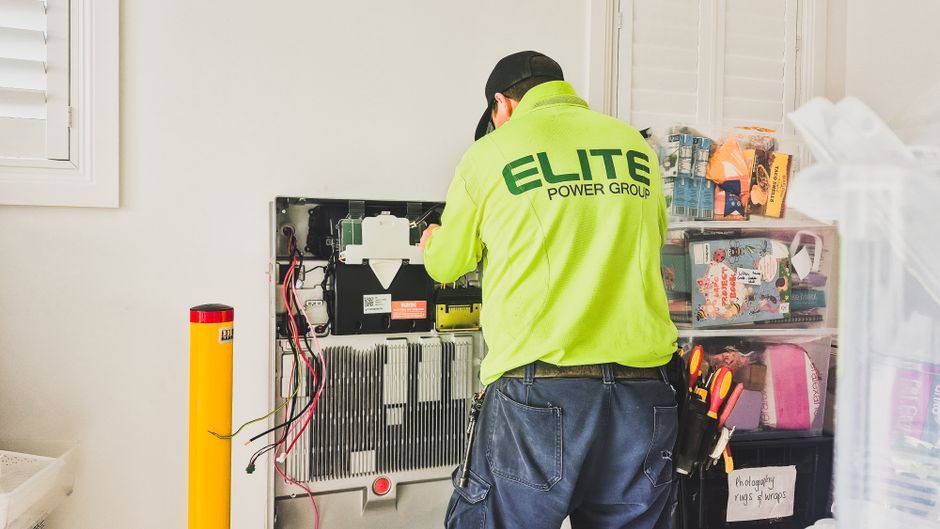
How to size a home battery
Size a battery to your evening and overnight load, not your whole day. For most NZ homes that's a single ~10 kWh unit.
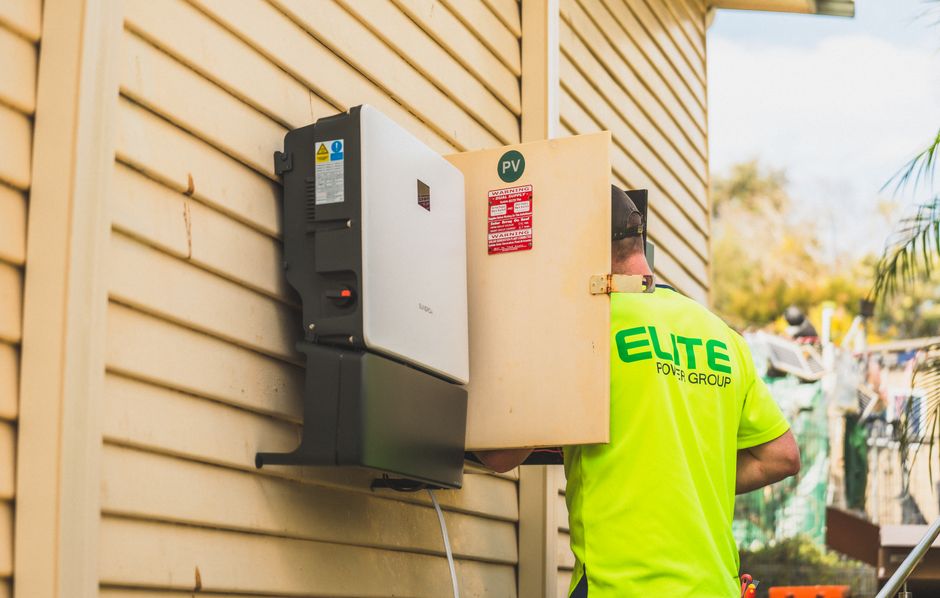
String inverters, microinverters, or optimisers — which is best?
Three ways to convert your solar. String is cheapest, microinverters handle shade best, optimisers are the middle ground. Here's how to choose.
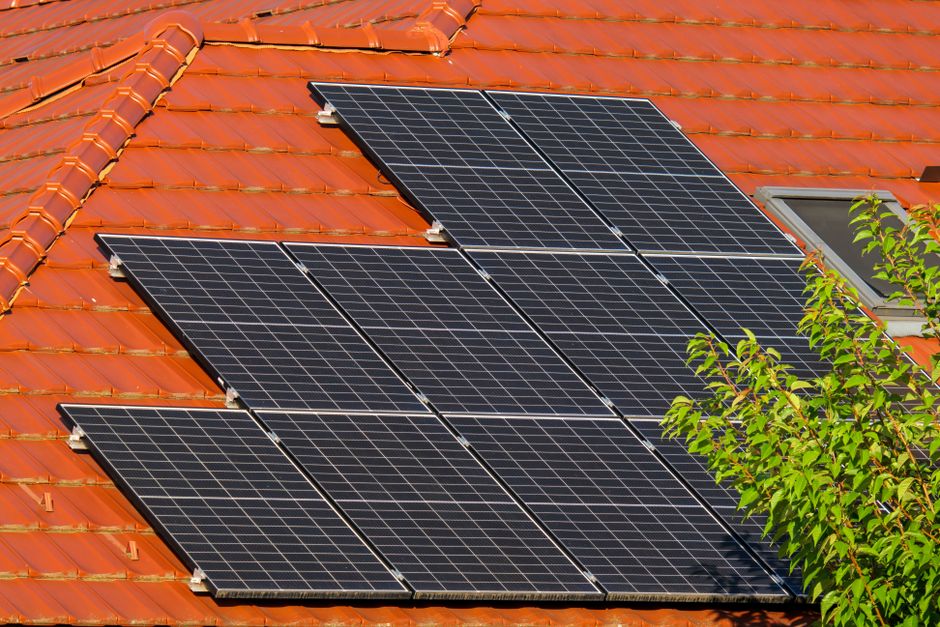
What size solar system do I need?
Size to your daytime usage, not your whole bill. For most NZ family homes that means a 5–6.6 kW system — here's how to work it out.
Off-grid
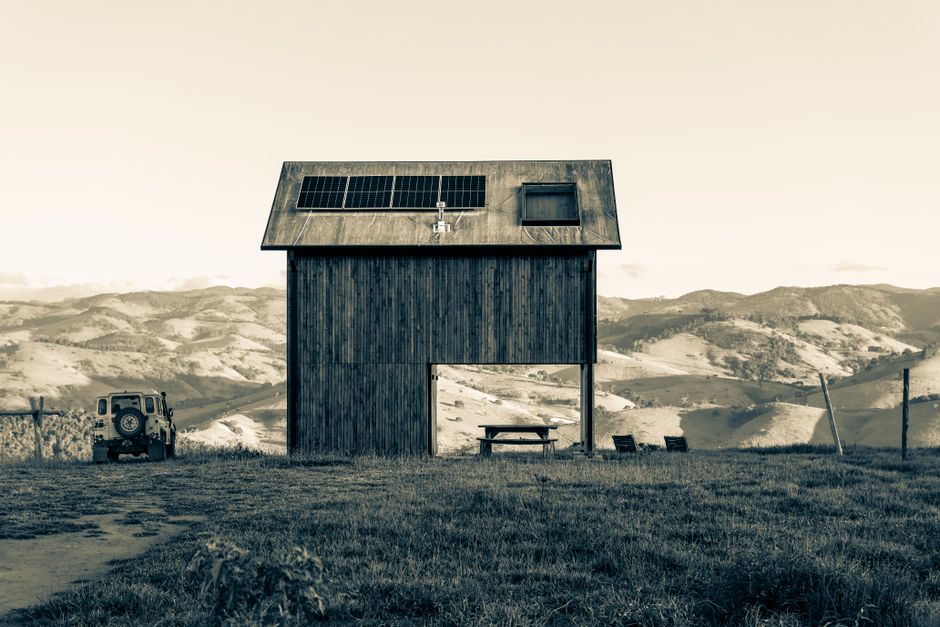
What it costs to go off-grid in New Zealand
A full off-grid system typically runs $40,000–$70,000+ — roughly 3–4× a grid-tied system. Here's where the money goes, and why it only makes sense against an expensive grid connection.
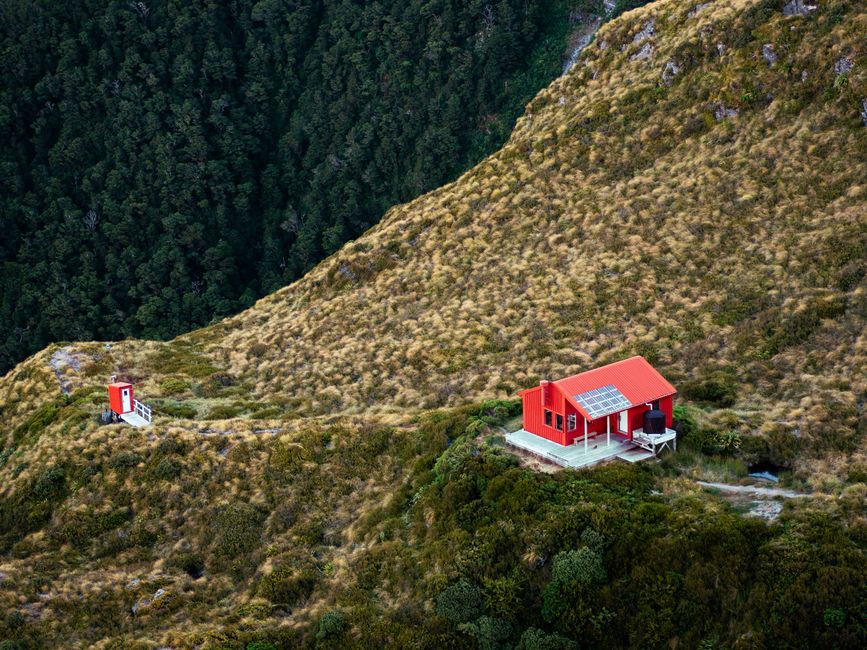
Is off-grid solar worth it in New Zealand?
For a home that can connect to the grid cheaply, off-grid rarely pays. But when a rural connection quote runs $40k–$100k+, off-grid stops being a luxury and becomes the smart option.
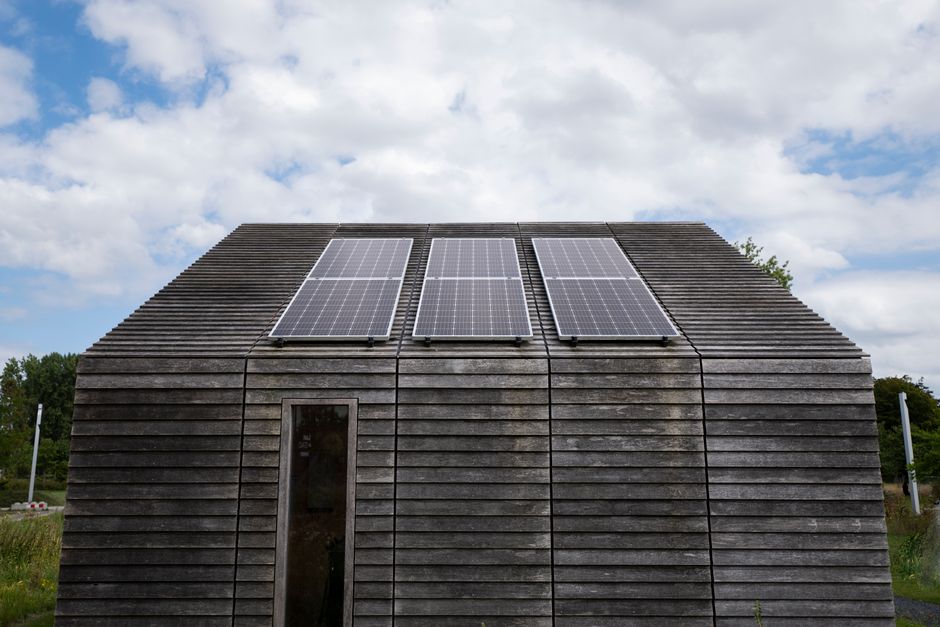
Backup generators for off-grid solar
Nearly every NZ off-grid system includes a backup generator — it's the safety net for long cloudy spells and winter. Here's why, how it's sized, and how to keep it running as little as possible.
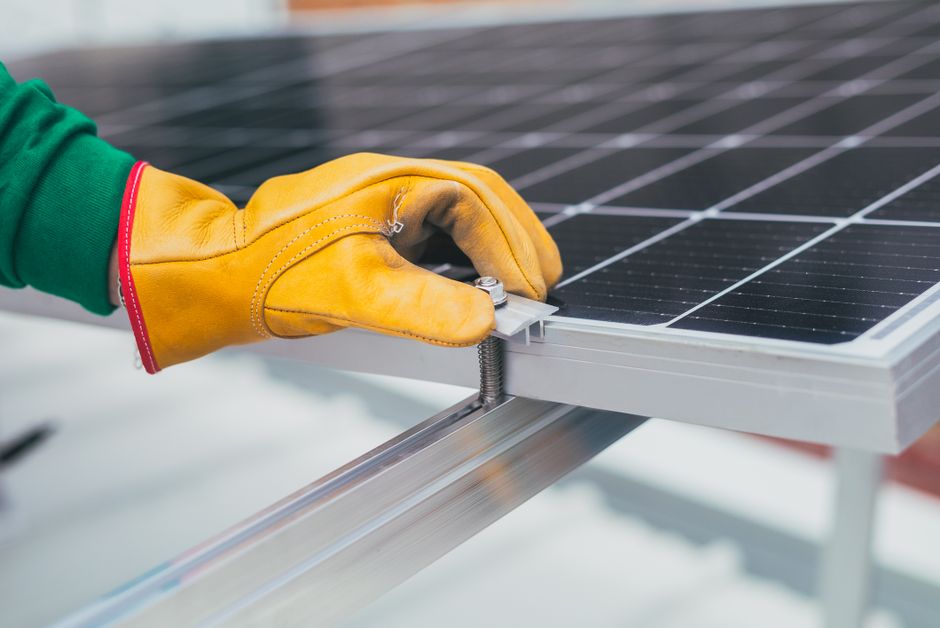
Off-grid batteries and storage
The battery bank is the heart of an off-grid system — it carries the whole house overnight and through cloudy spells. Here's how big, which chemistry, and why depth of discharge is everything.
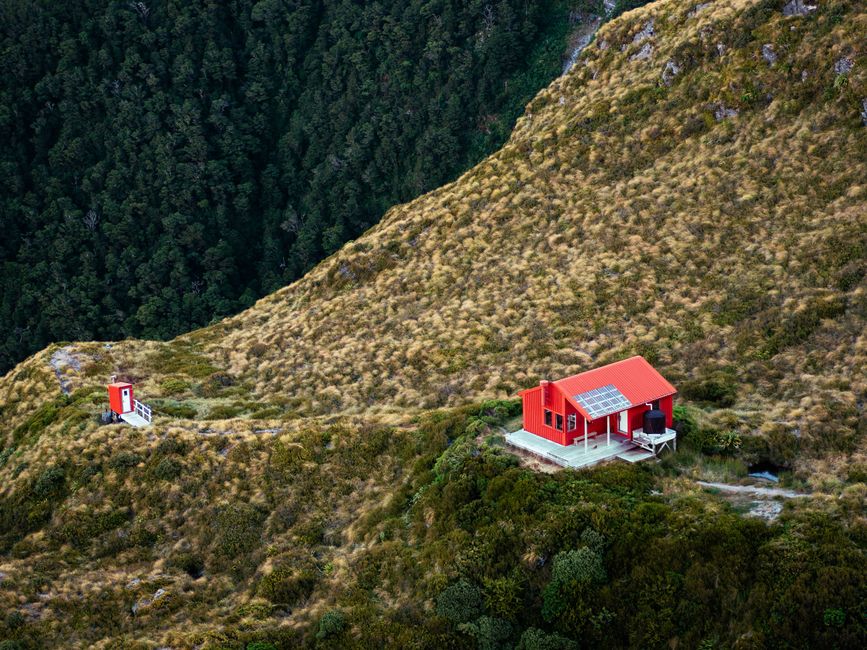
Off-grid solar for baches and remote homes
Baches, cabins and remote blocks are off-grid's natural home. How you size and spec a system depends a lot on whether it's a weekend getaway or a full-time house.
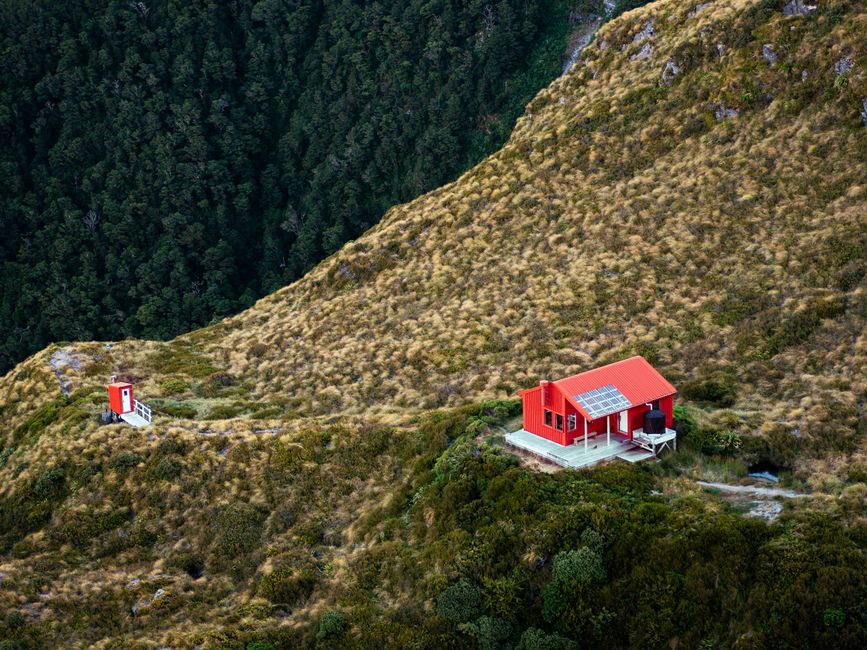
Off-grid solar explained
Off-grid means no connection to the national grid — you generate, store, and manage all your own power. Here's how it works, what it needs, and who it's actually for.
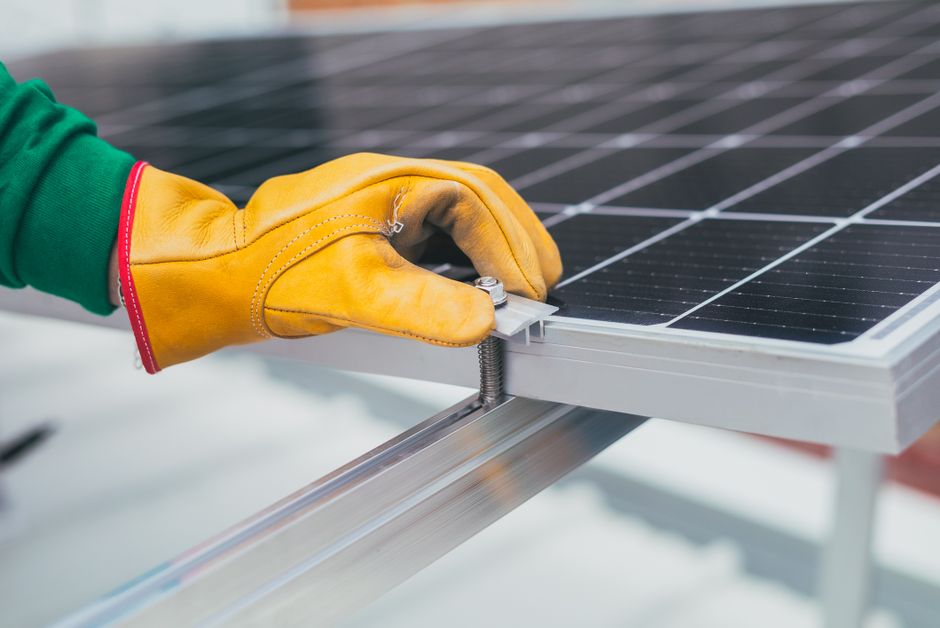
How to size an off-grid solar system
Off-grid sizing works backwards from your daily power use, through days of autonomy, to the battery and array. Get it wrong and you sit in the dark or run the generator constantly. Here's the method.
Technical & install
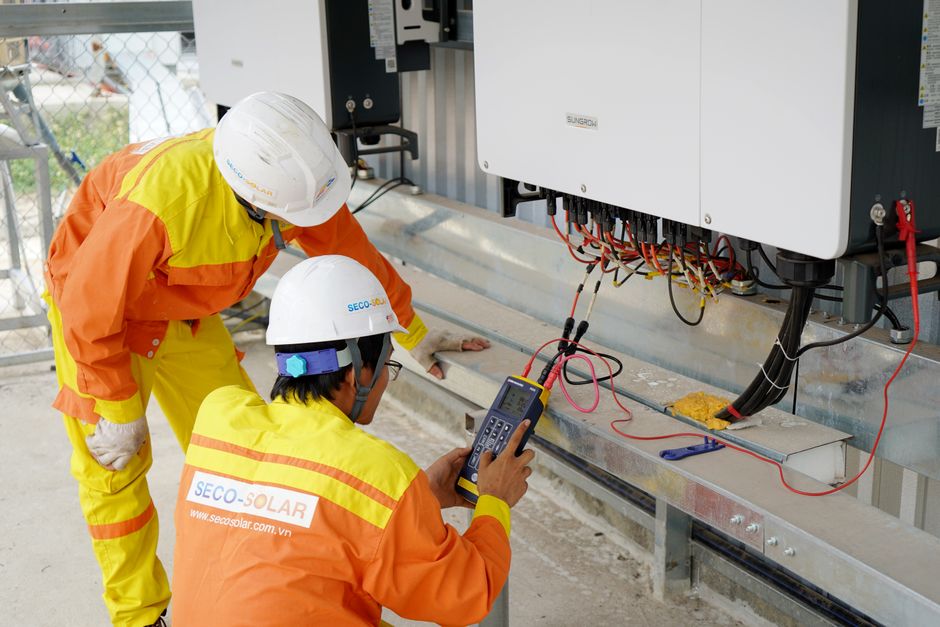
DC isolators and safety switches in solar
Isolators let the system be shut down safely for maintenance or emergencies. AS/NZS 5033 sets where they go — and poor-quality DC isolators have a real fire history.
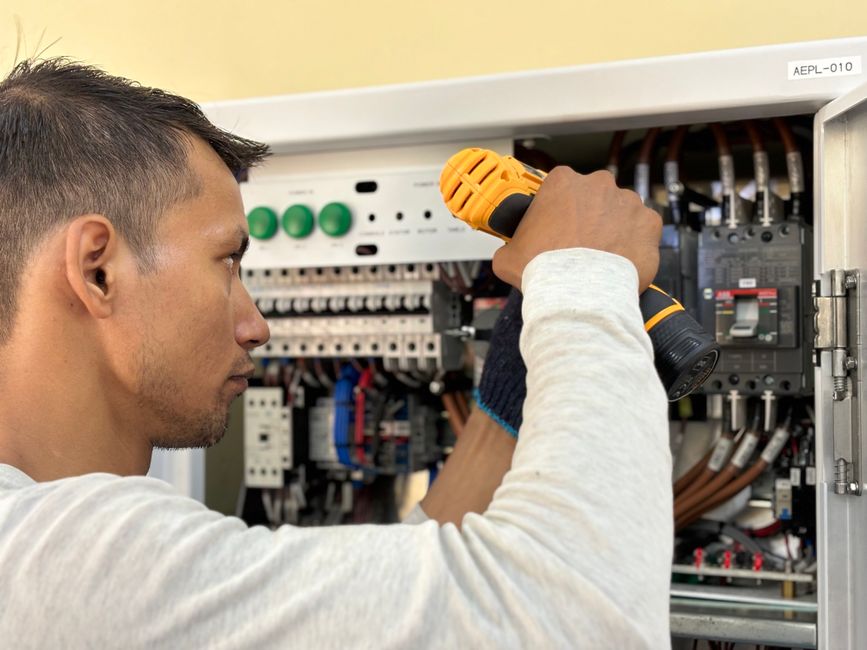
DIY solar in NZ — what's legal and what isn't
You can't legally connect solar to your home's mains yourself. Grid-tied and inverter work is prescribed electrical work for a registered electrician. Off-grid extra-low-voltage is more open.
Earthing and surge protection for solar
Earthing and bonding keep the system safe under fault; surge protection guards electronics against lightning and grid spikes. Both are part of a compliant install.
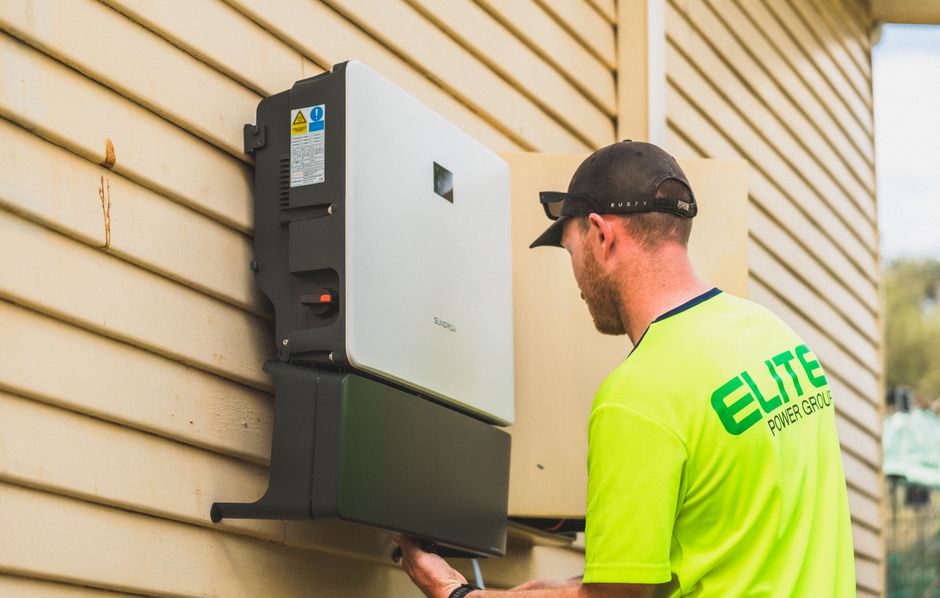
Export limiting, explained
Some lines companies cap or forbid how much solar you can send to the grid. The inverter enforces the limit — and it can affect how you size your system.
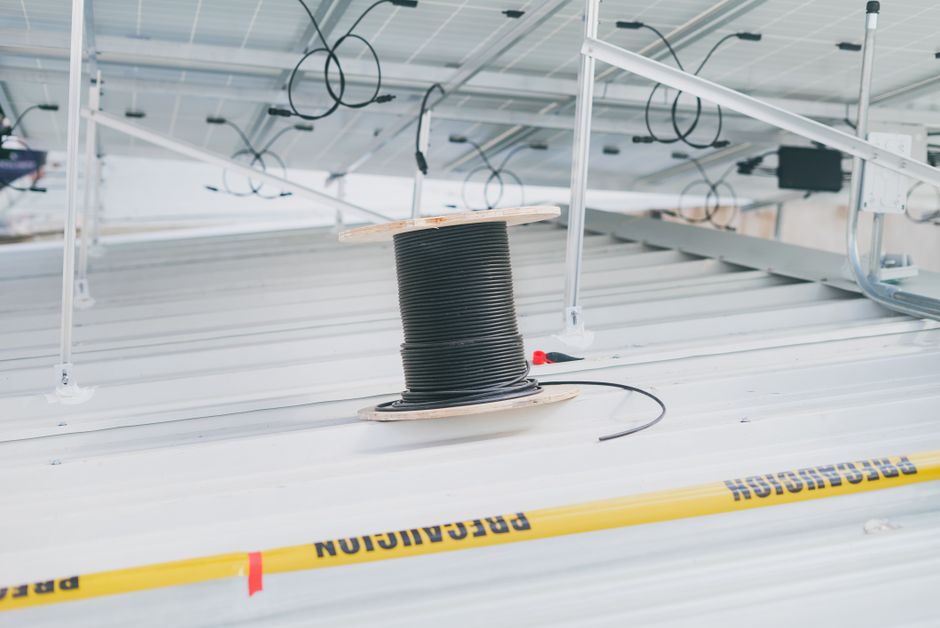
How solar panels are wired (series vs parallel)
Panels in series add voltage; in parallel they add current. How they're wired into "strings" has to match your inverter's input window.
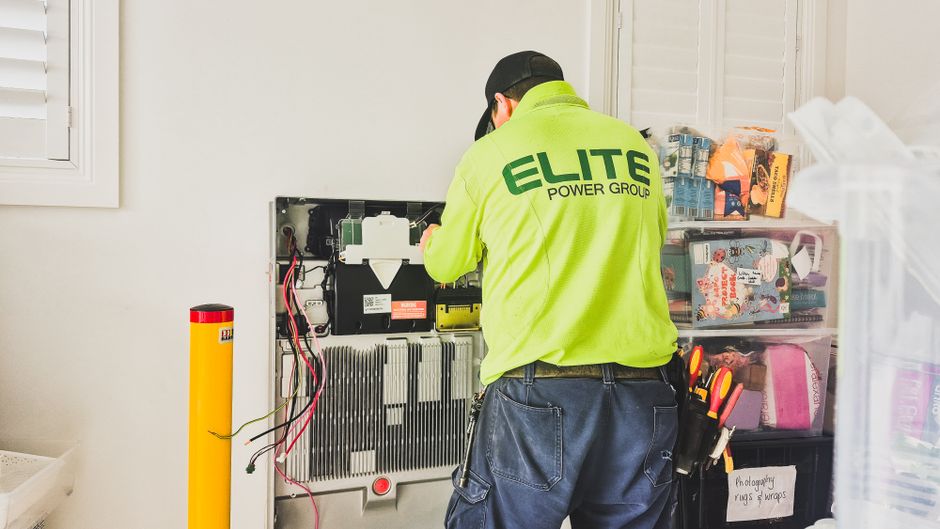
MPPT vs PWM charge controllers
A charge controller manages power from panels to battery. MPPT harvests more (especially from higher-voltage arrays); PWM is cheaper for small, matched systems.
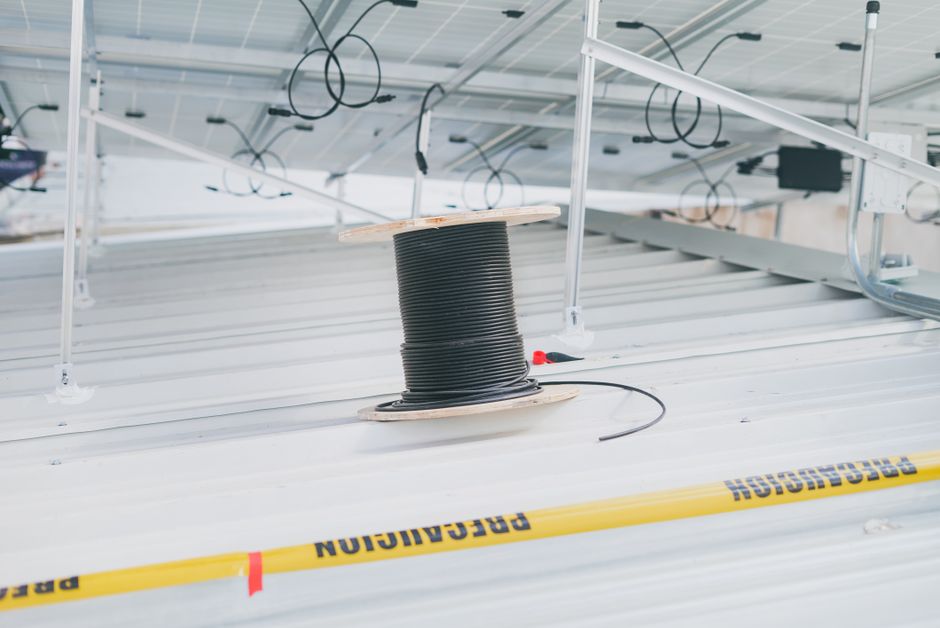
Solar cable sizing and spec, explained
Cable is sized for current rating and voltage drop, using purpose-built UV-rated DC cable. Undersized cable wastes power and creates a fire risk.
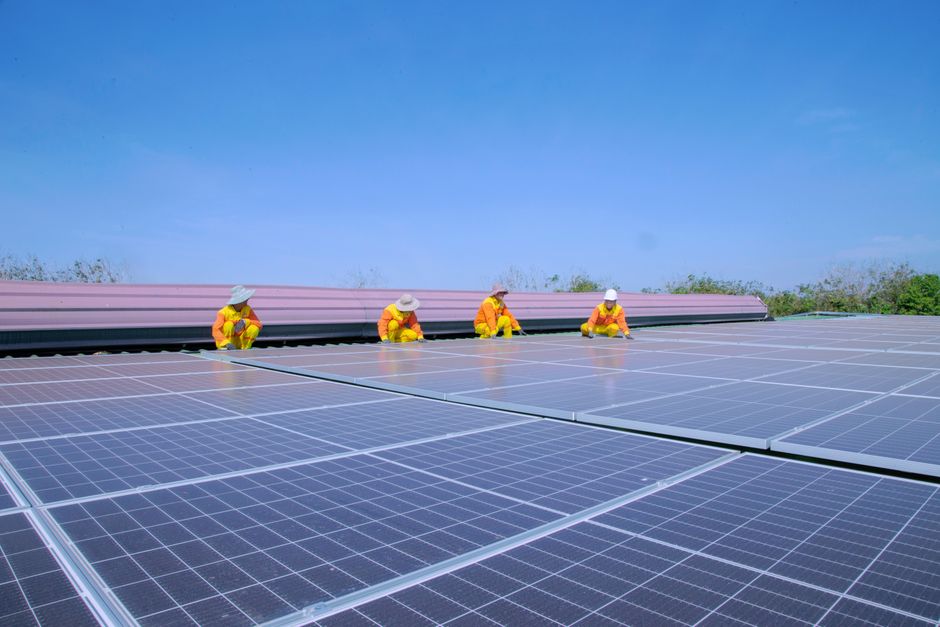
Solar mounting and racking, explained
Panels attach to roof-specific rails and brackets, fixed into the structure and weatherproofed. The mounting has to handle NZ wind loads — it's structural, not an afterthought.
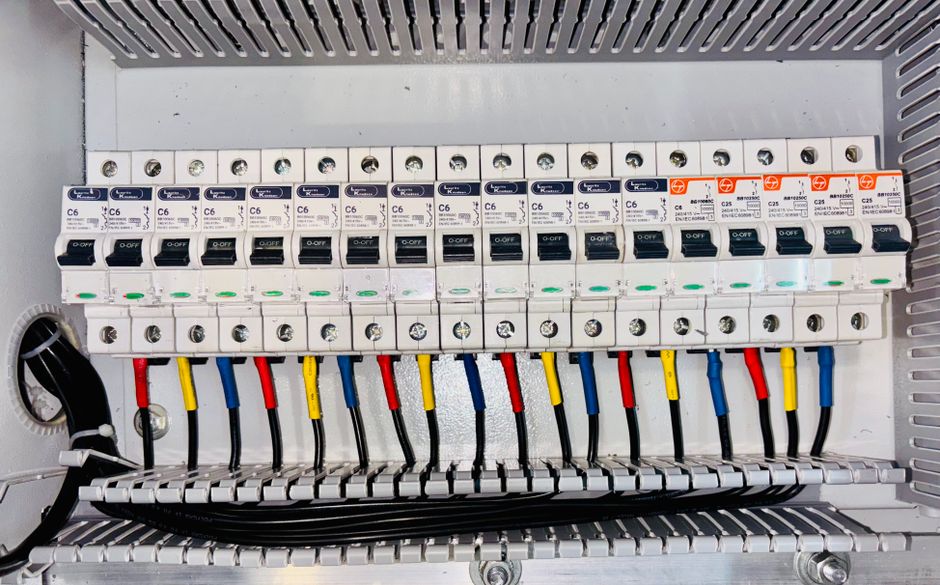
When your switchboard needs upgrading for solar
Older switchboards sometimes need work before solar can connect — space for a new breaker, RCD protection, or a main-switch upgrade. It's the most common quote surprise.
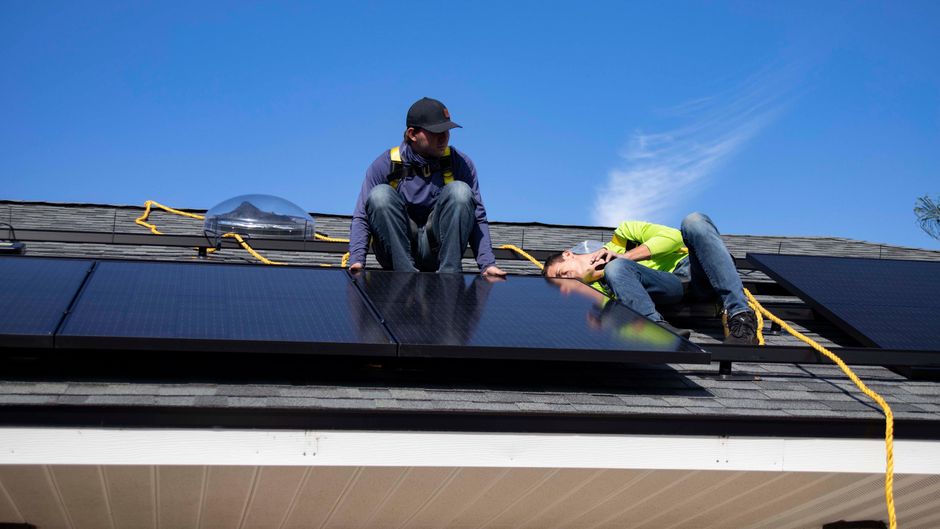
What happens during a solar installation
From site assessment to switch-on, a home solar install runs through design, a grid-connection application, a one-to-two-day install, certification, and energisation.
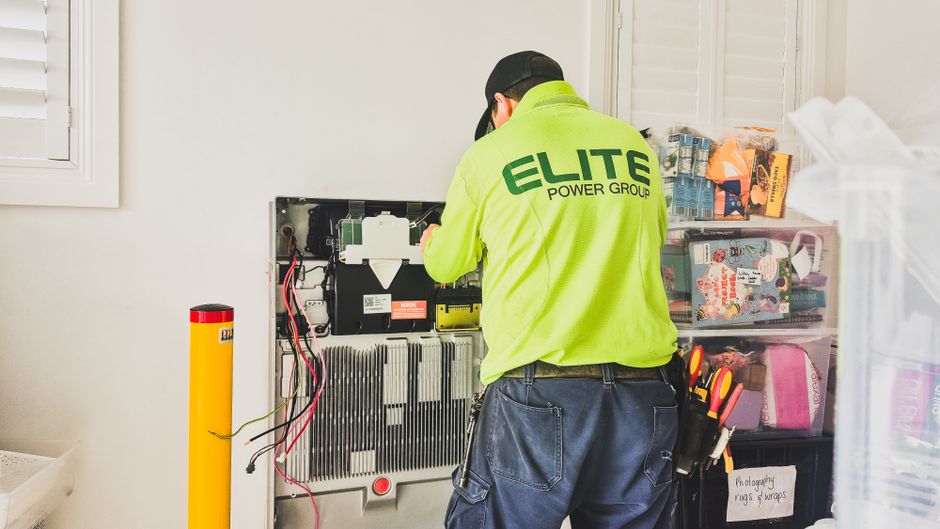
How to wire solar panels to a charge controller
The order is array → DC isolator → charge controller → battery, with fusing and correct polarity. Here's how an off-grid DC circuit goes together — and the NZ legal limits.
Rules & standards
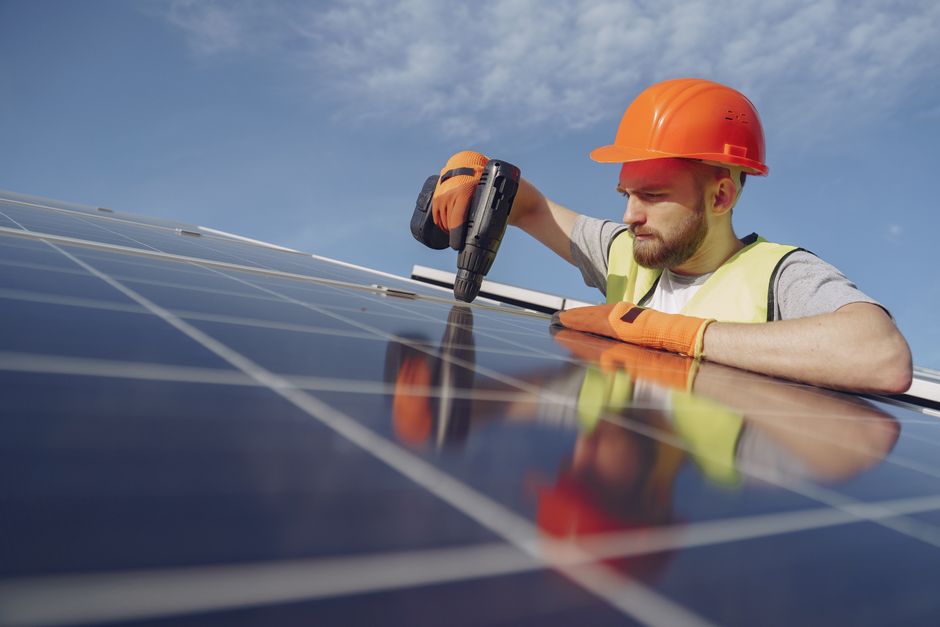
AS/NZS 5033, the solar install standard, explained
AS/NZS 5033 is the Australia/NZ standard for safely installing solar PV arrays. It's the rulebook your installer works to — here's what it covers and why it matters.

What is a Certificate of Compliance for solar
The CoC is the document your electrician issues certifying the electrical work is safe and to standard. No CoC means an uncertified — and uninsurable — install.
Do you need council consent for solar in NZ
For most standard roof installs, no building or resource consent is needed — solar is usually a permitted activity. But heritage, height, and some structures are exceptions.
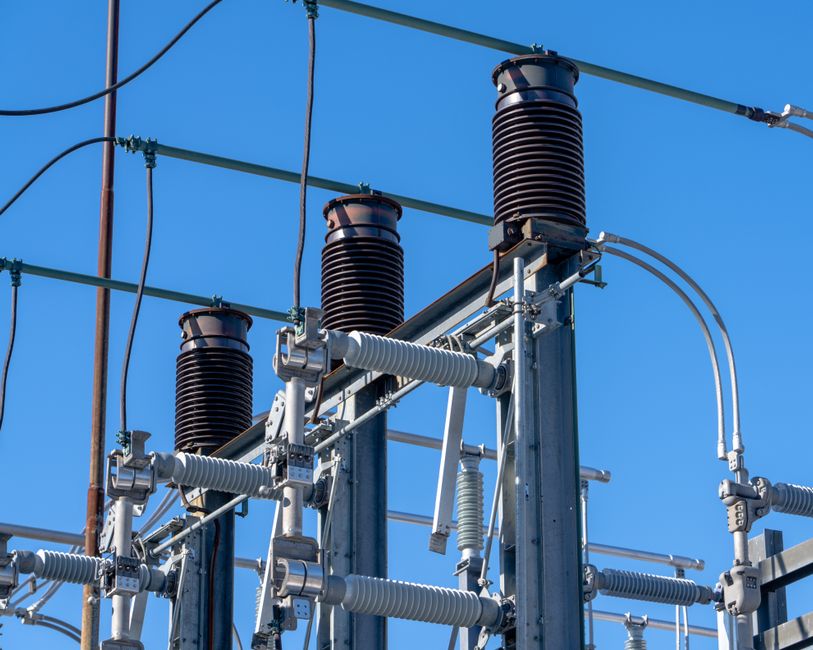
Grid connection approval in New Zealand
Before solar is installed, your installer applies to your lines company for connection approval. The rules combine the Electricity Authority Code, AS/NZS 4777, and local network requirements.

Who can legally install solar in New Zealand
The electrical work must be done or certified by an EWRB-registered electrician, with an independent inspection for grid-tie. Mounting can involve others, but the connection can't.
Region & upkeep
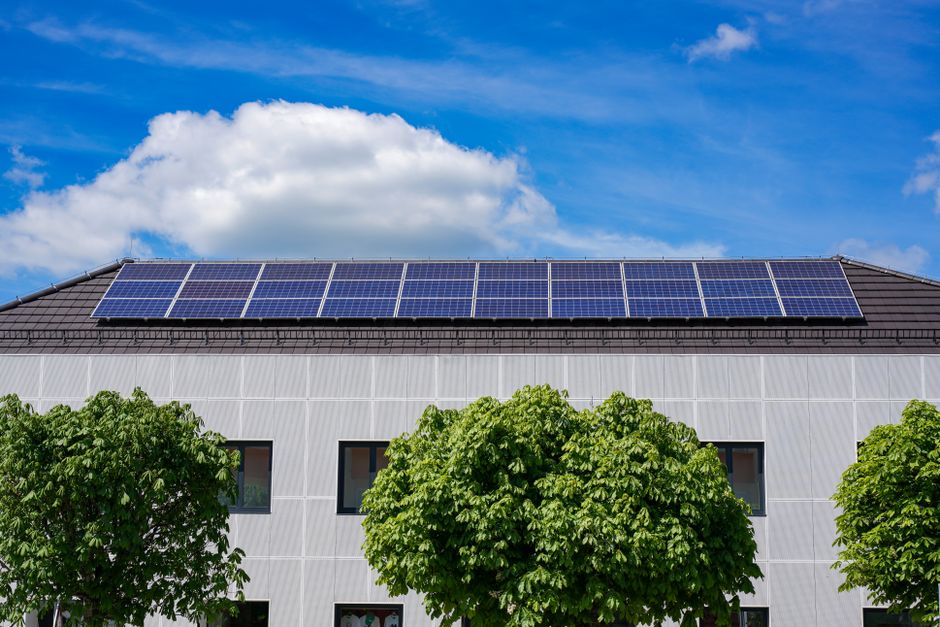
Do solar panels work in cloudy or cold weather?
Yes. Panels still generate on cloudy days (just less), and they actually run more efficiently when it's cold. Output drops in winter mainly because the days are shorter.
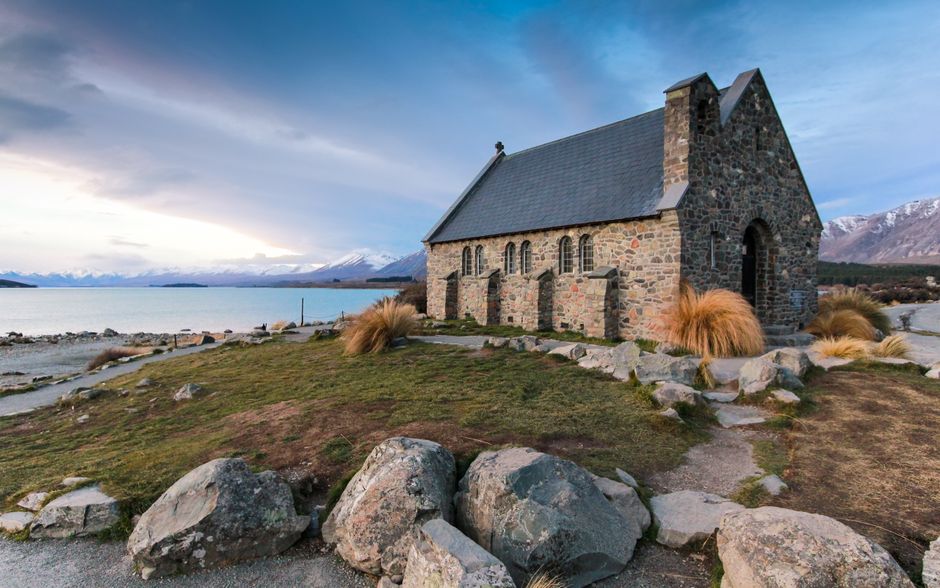
Solar in the South Island
South Island solar works well — Christchurch makes nearly as much per kW as Auckland over a year. The difference is a steeper summer-to-winter swing, not poor performance.
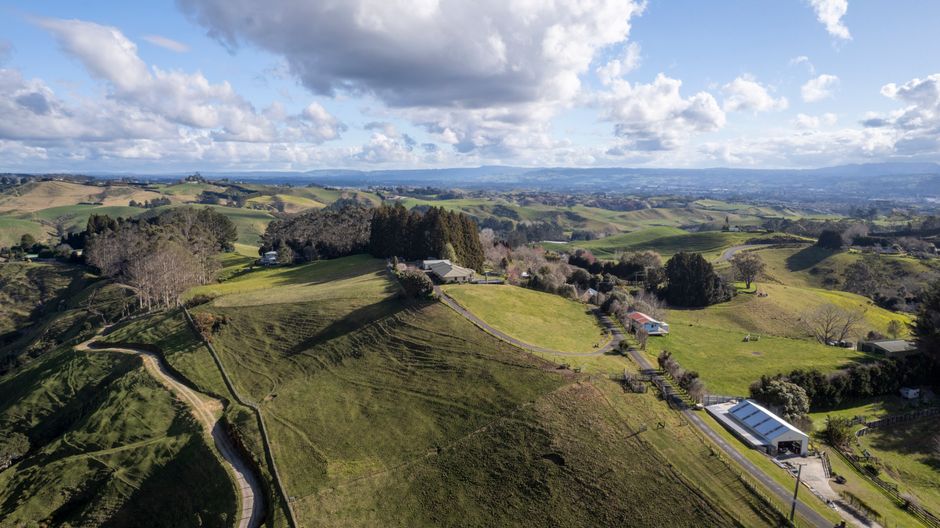
Solar output by region in New Zealand
NZ gets solid sun. A kW of panels makes roughly 1,300–1,400 kWh a year in the main centres — with the North a bit ahead and the South more seasonal.
Maintenance
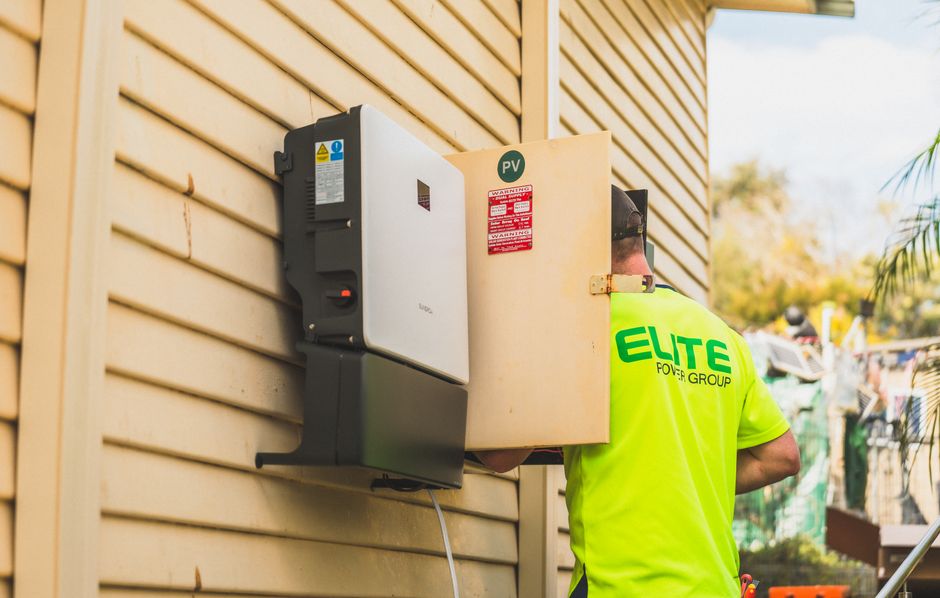
Common solar problems and how to fix them
Most solar issues show up as a drop in output. The usual suspects are shading, a tripped inverter, dirt, or a failing inverter — here's how to diagnose them.
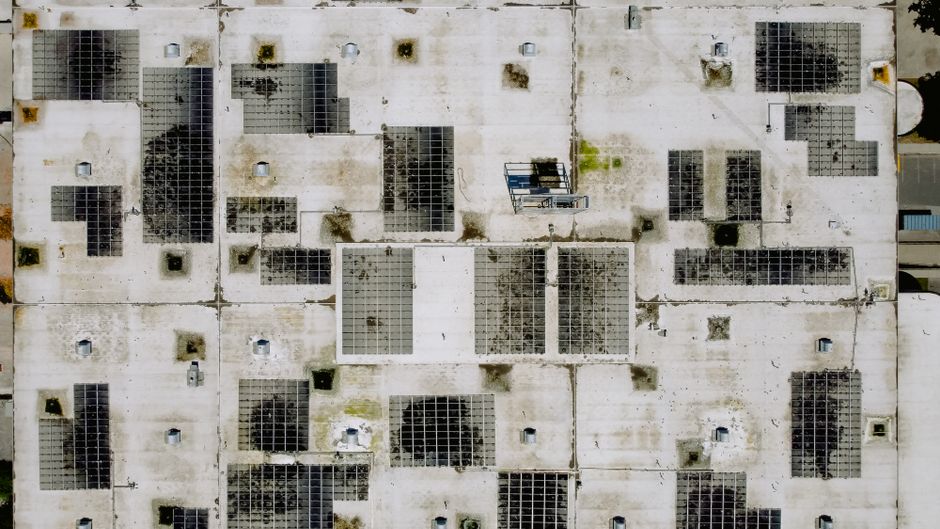
How long do solar panels last?
Panels are warranted for about 25 years but commonly keep producing for 30–40, losing only ~0.3–0.5% of output a year. The inverter is what you'll replace sooner.
How to maintain your solar panels
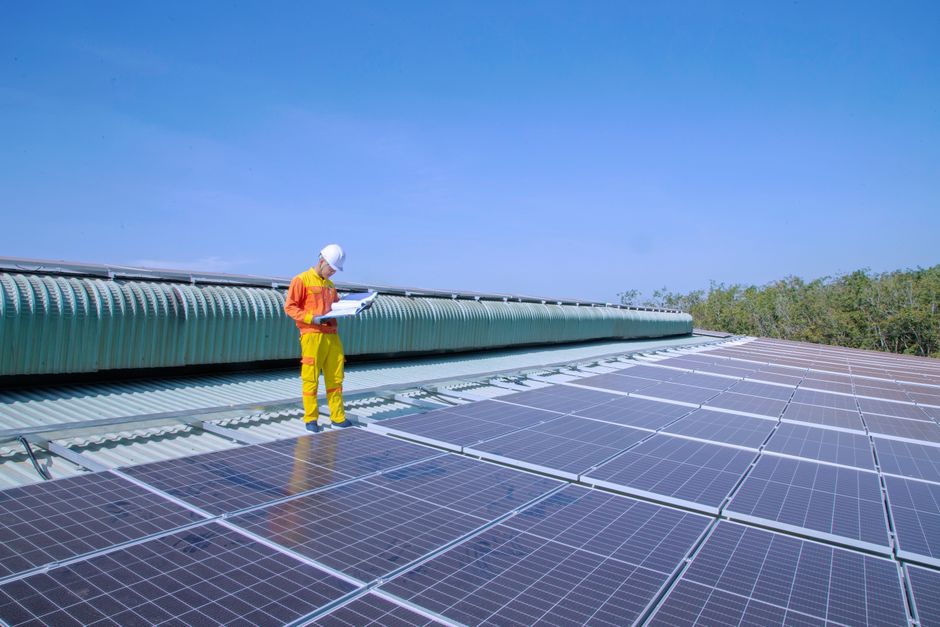
Solar is close to maintenance-free. Rain does most of the cleaning; the main jobs are an occasional clean where needed and keeping an eye on your monitoring.

Solar warranties explained
There are three warranties that matter — product, performance, and workmanship. Knowing the difference is how you avoid a "25-year warranty" that doesn't cover what you think.
When to replace a solar inverter
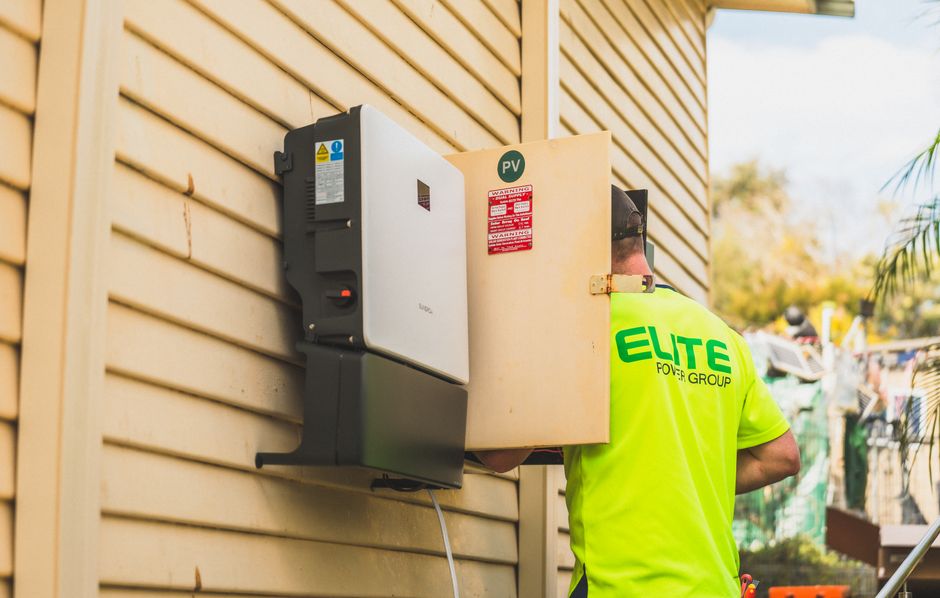
A string inverter usually needs replacing once in a system's life, around 10–15 years, for roughly $1,500–$3,000. Here's how to spot when it's time.
Mistakes & buying

Common solar buying mistakes
The avoidable ones — oversizing for export, chasing the cheapest quote, ignoring the inverter and installer, and trusting rosy savings numbers. Here's how to sidestep them.

Questions to ask a solar installer
A short checklist that separates good installers from bad — covering certification, equipment, warranties, sizing, and what's actually included in the price.

Solar sales red flags to watch for
High-pressure tactics, "today only" pricing, fake government rebates, and vague answers about certification are the warning signs of a deal to walk away from.

Why cheap solar can cost more
A rock-bottom quote usually means budget panels, a short-lived inverter, or a rushed install — costs that surface later as lost output, early replacements, and warranty headaches.
Comparisons
Charging an EV with solar
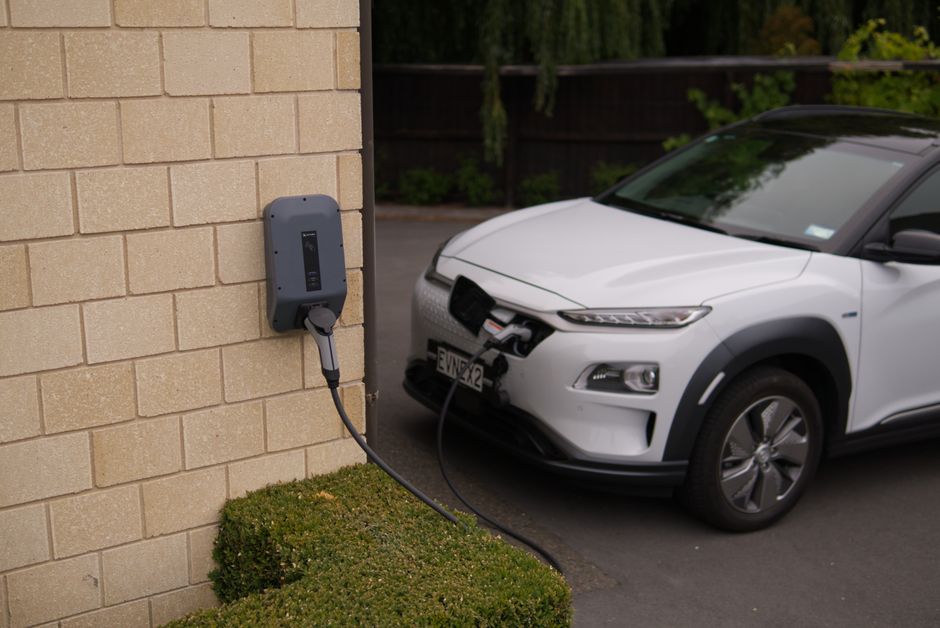
An EV is the ideal solar load — a big daytime battery on wheels. Charging it on your own solar can be far cheaper than grid power, and it lifts your self-consumption.
Home battery vs backup generator
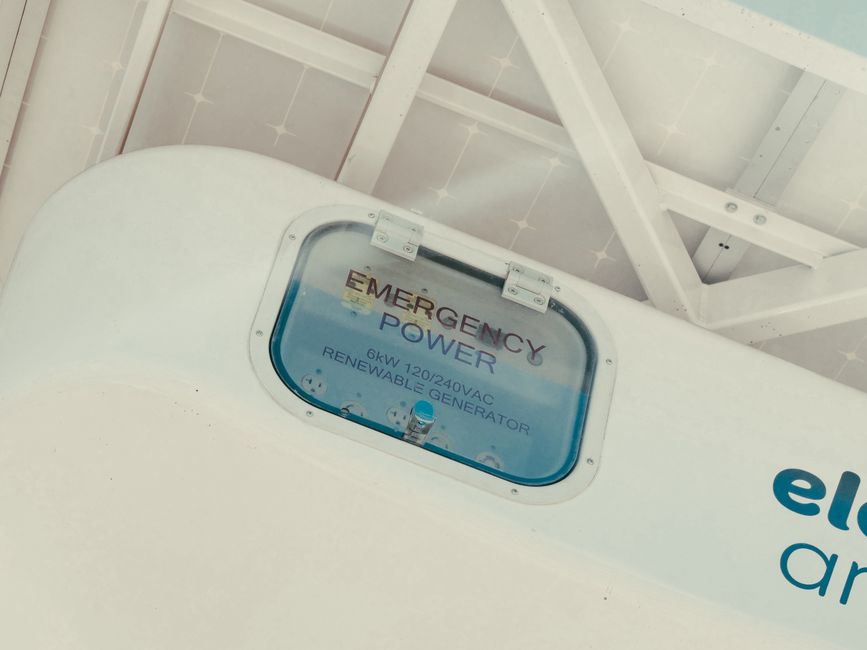
For outage backup, a generator is cheaper upfront but needs fuel and runs only when you start it. A battery is silent, automatic, and earns its keep daily — but costs more.
Solar PV vs solar hot water
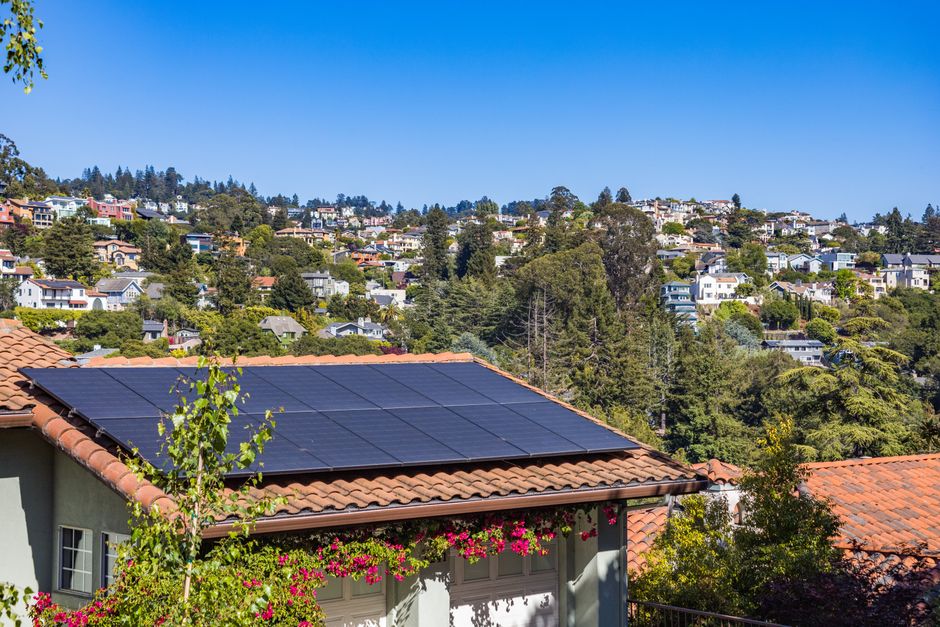
Two different "solar." PV makes electricity for the whole house; solar hot water only heats water. For most NZ homes today, PV (often paired with a hot-water diverter) is the more flexible choice.
Solar vs heat pump — which comes first?
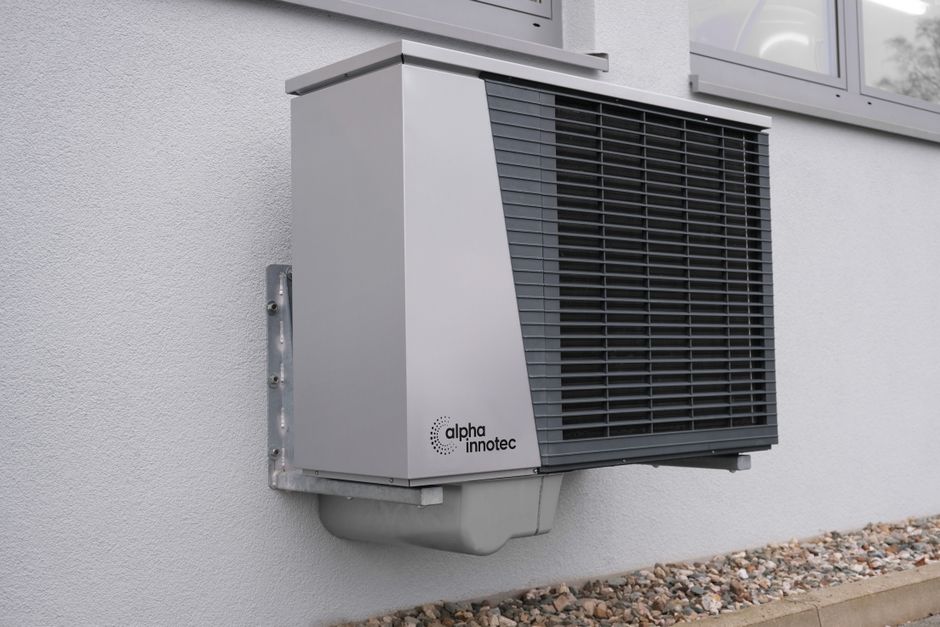
If you're choosing where a dollar goes furthest, an efficient heat pump often beats solar for cutting a power bill — and the two work even better together.