
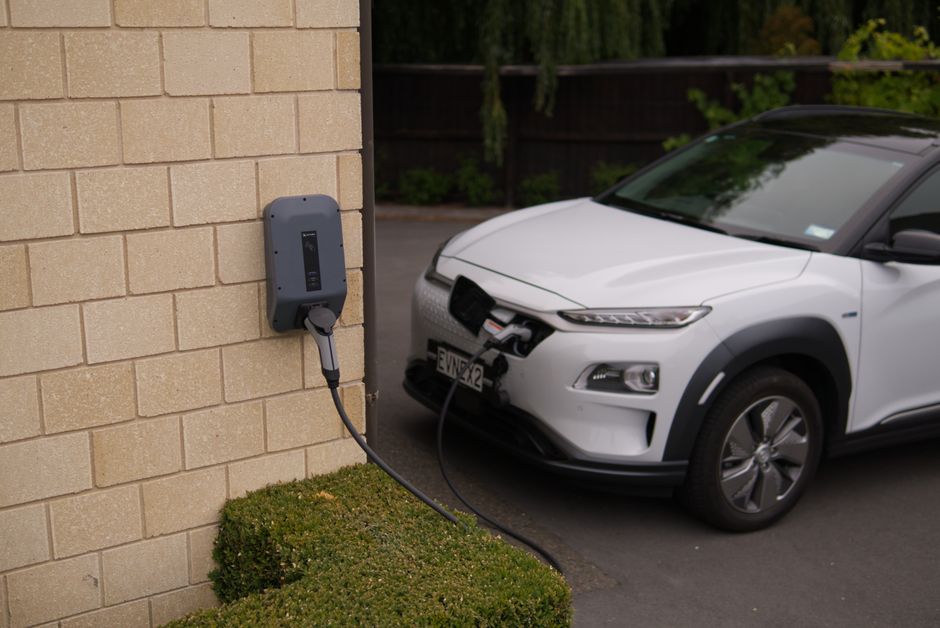
If you own an electric vehicle, or you’re thinking about one, pairing it with solar is one of the most satisfying matches in home energy. An EV is, in effect, a large battery on wheels — and a battery that mostly sits in your driveway is exactly the kind of flexible daytime load that solar rewards most. Charge your car on your own sunshine and you’re powering your driving for a fraction of what grid power, let alone petrol, would cost. Here’s why EVs and solar fit so well, and how to get the most from the combination.
Why an EV is the ideal solar load
Recall the golden rule of home solar: the power you use yourself as it’s generated is worth far more than the surplus you export (around 39c saved versus maybe 10c earned). The challenge for many homes is having enough daytime load to soak up the midday generation. An EV solves that beautifully.
An electric car needs a lot of energy to charge — far more than most household appliances — and when it charges is flexible. So if you can charge it during the day, it acts as a big, hungry sponge for your solar surplus, converting power that would have exported cheaply into kilometres of driving at the full value of self-consumed solar. It’s almost the perfect solar appliance: large, flexible, and yours to time.
The economics: sunshine into kilometres
The numbers are genuinely compelling. Charging an EV from your own solar costs you essentially the value of self-consumed solar — far below the ~39c/kWh you’d pay the grid, and a world away from the cost of petrol per kilometre. An EV does several kilometres per kWh, so a day’s solar surplus can translate into a meaningful chunk of free or near-free driving.
Put differently: instead of exporting your midday surplus at ~10c, you’re using it to displace grid charging (39c) and petrol. That’s a double saving, and it’s why EV owners often see some of the best returns from their solar.
The catch: you have to charge in daylight
The whole benefit depends on charging while the sun is shining. If your car is at work all day and you only plug it in at night, it charges from the grid at full price, and the solar synergy evaporates. So the EV-solar match works best when:
- The car is home during the day (you work from home, drive locally, or have a second car), or
- You use smart charging to schedule charging for the sunny hours, or
- You have a battery to store solar for evening charging.
The good news is that smart chargers increasingly make this easy — some can even be set to charge only from solar surplus, automatically topping up the car whenever your panels are producing more than the house needs.
It also strengthens the case for solar itself
The relationship runs both ways. Just as solar makes an EV cheaper to run, an EV makes solar a better investment — because it adds substantial daytime load, lifting your self-consumption and shortening your payback. If you’re sizing a solar system and an EV is on the horizon, it’s worth factoring in: you may justify a slightly larger array knowing the car will use the extra generation rather than exporting it cheaply.
The verdict
An EV is the ideal partner for home solar — a big, flexible daytime battery on wheels that turns your midday surplus into cheap kilometres instead of low-value exports. Charge it on your own sun and you’re driving for a fraction of the cost of grid power or petrol, while lifting your self-consumption and improving your solar payback. The one requirement is daytime charging — directly, via a smart charger set to follow your solar, or through a battery. Get that right, and EV-plus-solar is one of the best-value combinations in the whole home-energy picture.
Get a free assessment and we’ll size a system that accounts for charging your EV.
Sources: EV charging economics and self-consumption benefits per EECA and industry guidance; retail/export price ranges per the Electricity Authority. Figures vary by vehicle, home, and usage.