
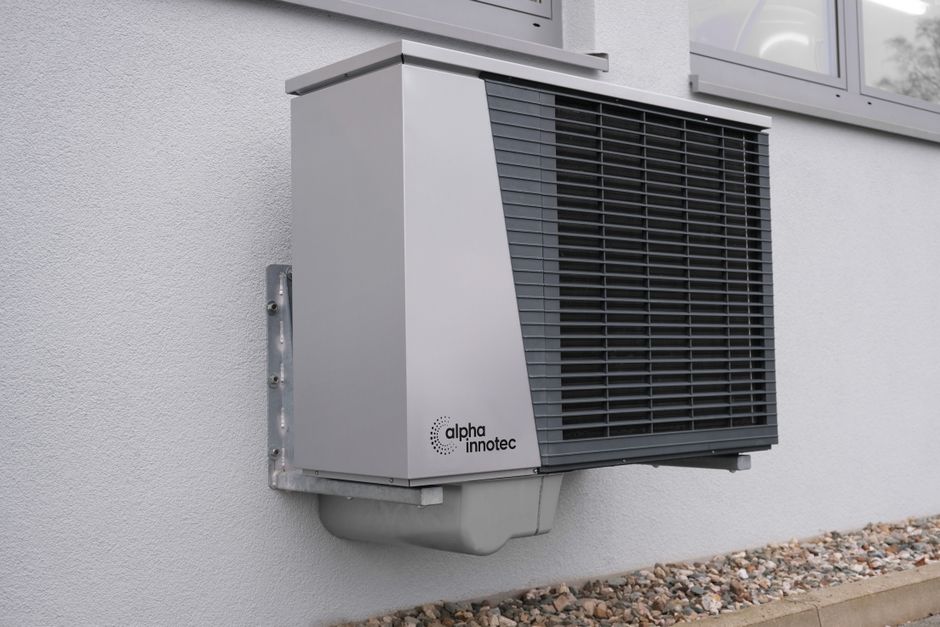
If you’ve got a limited budget and you’re weighing up solar against a heat pump, it’s a genuinely good question — because both cut your power bill, but they do it in completely different ways, and for many homes the surprising answer is that the heat pump should come first. Here’s how to think about which delivers more for your dollar, and why they’re better together than apart.
They solve different problems
The two aren’t really competitors; they tackle different sides of your energy use:
- A heat pump reduces how much energy you use — specifically for heating (and cooling). It’s extraordinarily efficient, delivering several units of heat for every unit of electricity, so it slashes the cost of keeping your home warm compared with old resistive heaters.
- Solar reduces what you pay for the energy you use — by generating your own electricity instead of buying it all from the grid.
One cuts demand; the other generates supply. That difference is the key to deciding the order.
Why the heat pump often wins per dollar
For a home with inefficient heating (plug-in heaters, old systems), a heat pump frequently delivers more bill reduction per dollar spent than solar, for a simple reason: efficiency beats generation. Heating is often the single biggest chunk of a power bill, and replacing inefficient heating with a heat pump that’s several times more efficient can cut that chunk dramatically — for a lower upfront cost than a full solar system.
In other words, before you spend money generating power to feed an inefficient house, it’s often smarter to make the house need less power in the first place. A heat pump does exactly that, and the saving is immediate and weather-independent.
Why they’re better together
This isn’t really an either/or in the long run — solar and a heat pump are a genuinely excellent pairing:
- A heat pump that runs during the day is a great solar load, soaking up your generation at the full self-consumption value rather than exporting it cheaply.
- Solar offsets the electricity the heat pump uses, so your heating runs partly on free sunshine.
- Together they attack the bill from both ends — using less energy and generating your own.
So the question is usually one of sequencing, not choosing one forever.
How to decide the order
A sensible way to prioritise:
- Heat pump first if: your heating is inefficient (old or plug-in heaters), heating is a big part of your bill, and budget is tight. The efficiency gain is the fastest, cheapest win.
- Solar first if: you already heat efficiently, you have high overall daytime electricity use beyond heating, or you’re keen to start generating and offsetting a broad bill.
- Both, sequenced: for many homes, heat pump first (cut the demand), then solar (generate to cover what’s left) is the order that delivers the most value per dollar at each step.
There’s also the comfort factor — a heat pump makes your home warmer and drier, a health and liveability benefit solar doesn’t provide — which can tip the order toward the heat pump regardless of pure economics.
The verdict
Solar and a heat pump solve different problems: the heat pump cuts how much energy you use (especially for heating, very efficiently), while solar generates your own power. If budget forces a choice, an efficient heat pump often beats solar for reducing a power bill per dollar — particularly if your current heating is inefficient — so for many homes it makes sense first. But they work even better together, with daytime heat-pump use soaking up your solar, so the real answer is usually sequencing: reduce demand with the heat pump, then generate with solar.
Get a free assessment and we’ll help you plan solar around the rest of your home’s energy.
Sources: Heat pump efficiency and home-energy prioritisation per EECA; comparison guidance per NZ industry references (2026). Best choice varies by home.