
Two items that appear on a solar quote and mystify most homeowners are earthing (and bonding) and surge protection. They sound like technical box-ticking, but they’re genuine safety and protection measures — one keeps people safe if something goes wrong electrically, the other shields your expensive electronics from damage. Both are part of a properly compliant installation, and understanding them helps you see what a good install includes that a cut-price one might skimp on.
Earthing and bonding — the safety net under a fault
Earthing (also called grounding) connects the metal parts of your solar system — the panel frames, the mounting rails, the inverter casing — to the earth, via your home’s earthing system. Bonding ties those metal parts together so they sit at the same electrical potential. Together they do a critical safety job: if a fault ever caused a live wire to contact the metal frame of a panel or the racking, earthing gives that fault current a safe path to ground and trips the protective devices to cut the circuit — rather than leaving the metalwork live and dangerous to touch.
Without proper earthing and bonding, a fault could make the array or its frame live, turning your roof into a serious shock hazard. It’s invisible when done right and potentially lethal when done wrong or skipped. This is why it’s a mandatory part of a compliant install, governed by the wiring standards (AS/NZS 3000) and the solar array standard (AS/NZS 5033).
Surge protection — guarding the electronics
Surge protection addresses a different threat: sudden voltage spikes. Two main sources cause them:
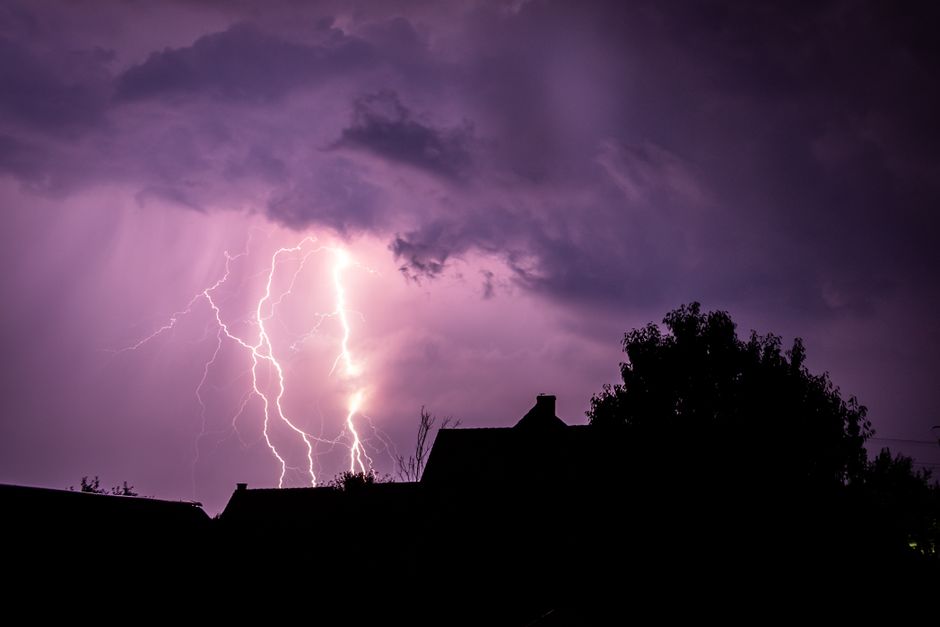
- Lightning. A nearby strike — it doesn’t have to be a direct hit — can induce a large voltage surge in your wiring and the array on your roof.
- Grid disturbances. Switching events and faults on the network can send spikes down the line into your home.
Your solar system contains sensitive, expensive electronics — chiefly the inverter — that a big surge can damage or destroy. Surge protection devices (SPDs) are installed to intercept those spikes and divert them safely to earth before they reach and fry your equipment. In regions with plenty of thunderstorms, and on a system with somewhat exposed rooftop wiring, surge protection is sensible insurance for a significant investment.
Why both are part of a compliant install
Neither of these is optional flair. Earthing and bonding are fundamental electrical safety, required by the standards on every install. Surge protection is strongly advisable, and often required depending on the situation, protecting both safety and your equipment. A good installer includes and correctly fits both as a matter of course; a quote that’s mysteriously cheaper than the others is worth checking — make sure proper earthing and surge protection haven’t been trimmed to hit a price.
What this means for you
You won’t install or maintain any of this yourself — it’s part of the electrician’s compliant install and is covered by your Certificate of Compliance. But it’s worth knowing it’s there, and worth asking about: a quick question about earthing and surge protection tells you whether an installer is building to standard or cutting corners. It also explains a little of why a proper solar install costs what it does — a chunk of the price is the unglamorous safety engineering you never see but absolutely want.
The verdict
Earthing and bonding give fault current a safe path to ground, so a wiring fault can’t leave your panels or racking dangerously live — it’s fundamental, mandatory safety. Surge protection shields your inverter and electronics from lightning-induced and grid-borne voltage spikes, protecting a costly investment. Both are part of a properly compliant New Zealand install, both are easy for a cheap quote to skimp on, and both are worth confirming are included. They’re the invisible safety engineering that a good installer simply does right.
Get a free assessment and we’ll make sure your system is safe, earthed, and protected to standard.
Sources: Earthing, bonding, and surge-protection requirements per AS/NZS 3000 and AS/NZS 5033; Standards NZ. Installation is prescribed electrical work for a registered electrician.