
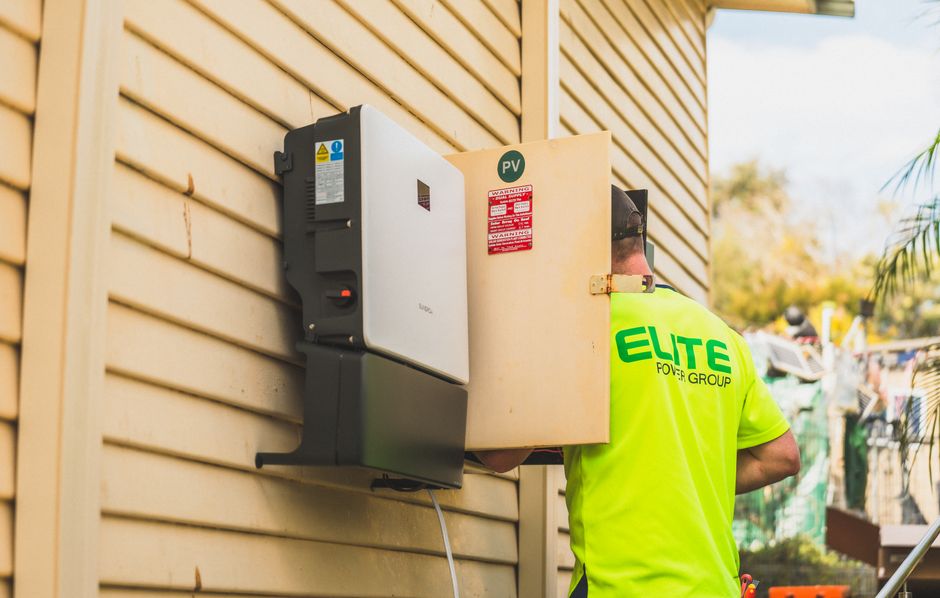
The inverter is the one part of a solar system you should expect to replace during its life — and that’s not a flaw, it’s just the nature of the hardest-working electronic component on the system. Knowing roughly when to expect it, and how to spot the signs, means it’s a planned cost rather than a nasty surprise. Here’s when a solar inverter typically needs replacing and how to tell when yours is on the way out.
The expected lifespan
A standard string inverter — the common central unit — typically lasts 10 to 15 years, with manufacturer warranties often around 10–12. Over a system life of 25-plus years, that means budgeting for one replacement, at roughly $1,500–$3,000 including the new unit and the electrician’s work. It’s the single planned mid-life cost of owning solar.
(If you have microinverters — one small unit per panel — they usually carry 25-year warranties and typically don’t need replacing; you paid for that longevity upfront. This guide is mostly about string inverters.)
The signs it’s time
An inverter rarely dies without warning. The common signs:
- Error messages or fault lights. Inverters display their status, and persistent errors or a red fault light are the clearest signal. An occasional fault that clears itself can be normal; a recurring or permanent one needs attention.
- A drop in output. If your monitoring shows generation falling below what the season and weather should give — and you’ve ruled out shading and dirt — a failing inverter is a prime suspect.
- No output at all. If the system has stopped generating entirely (and it’s not a tripped isolator or breaker), the inverter has likely failed.
- Age plus declining reliability. An inverter past 10–12 years that’s starting to throw faults is often better replaced proactively than nursed along.
Because the monitoring app is what surfaces most of these, keeping a casual eye on it is how you catch inverter trouble early. (See common solar problems for diagnosing an output drop.)
Repair or replace?
For an inverter still under warranty, a fault usually means a warranty repair or replacement — so check the warranty first. Out of warranty, inverters are generally replaced rather than repaired: the electronics aren’t economically repairable for most faults, and a new unit comes with a fresh warranty and often better efficiency and features. An electrician swaps the unit and recommissions the system.
The replacement as an upgrade opportunity
A forced inverter replacement is also a chance to improve your system. When the time comes, you can consider:
- A hybrid (battery-ready) inverter if you’re thinking about adding storage — so you’re set up for a battery without another change later.
- A better-quality or better-suited unit than the original, especially if the first one was a budget choice that didn’t go the distance.
So while it’s a cost, it’s also a moment to bring the system up to date.
The verdict
Expect to replace a string inverter once in your system’s life, typically at 10–15 years, for around $1,500–$3,000 — a planned cost, not a failure of the system. Watch for the signs: error lights, an unexplained drop in output, or no generation at all, all of which your monitoring app helps you catch. Check the warranty first, replace rather than repair out of warranty, and treat the swap as a chance to go battery-ready or higher-quality. Budget for it from the start and it’s simply part of owning solar, not a surprise.
Get a free assessment and we’ll include the mid-life inverter cost in your payback.
Sources: Inverter lifespan, replacement cost, and failure signs per industry data (2026); warranty terms per manufacturer. Figures vary by product and installer.