
When you read about solar — especially articles from overseas — you’ll bump into the terms “net metering” and “gross metering”, often without explanation. They sound like dry technical detail, but the difference between them completely changes the economics of a solar system, and mixing them up is one of the easiest ways to misjudge what solar will do for you. New Zealand uses net metering, and understanding what that means explains why nearly all solar advice here circles back to the same point: use your own power.
Net metering — the New Zealand model
Under net metering, your solar feeds your home first. At any given moment, the power your panels are making goes straight to whatever your house is using — and only the leftover (what you generate but aren’t using right then) is exported to the grid and measured for a buy-back credit. Equally, you only buy power from the grid when your solar isn’t covering what you’re using.
So your meter is really tracking two separate flows:
- Import — power you buy from the grid, at the full retail price (roughly 30–39c/kWh).
- Export — surplus solar you send to the grid, paid at the lower buy-back rate (often 7–17c/kWh).
The key consequence is in those two prices. Because importing costs you far more than exporting earns you, every unit of solar you use yourself is worth more than one you sell. Using your own power avoids buying at ~39c; exporting it only earns ~10c. That gap — three to five times — is the entire reason “use as much of your own generation as you can” is the advice you’ll hear over and over. Net metering is why self-consumption is king.
Gross metering — and why it’s not how NZ works
Gross metering works completely differently. Under it, all of your solar generation is sold to the grid at the buy-back rate, and you separately buy all of your household’s power back at the retail rate. Your own usage and your own generation never meet directly — everything passes through the meter both ways.
In that world, the buy-back rate is everything, because you’re selling 100% of what you make. New Zealand does not use gross metering for residential solar. This matters because a lot of online solar content — particularly older Australian or US material — assumes a gross or generous feed-in-tariff model. Don’t let it confuse you: in New Zealand, the value is overwhelmingly in using your own power, not in the export price.
What this means for how you run your system
Once you understand net metering, the practical playbook falls out of it naturally:
- Shift usage into daylight. Run big appliances while the sun is up so the power goes straight into your home at full retail value rather than exporting cheaply.
- Soak up surplus. Heat your hot water with spare solar, or charge an EV at midday, to convert would-be exports into self-consumption.
- Don’t over-size for export. A system far bigger than your daytime usage just exports the excess at the low rate — there’s limited value in that under net metering.
All of this is simply working with the net-metering model rather than against it.
What you need, and the 2026 change
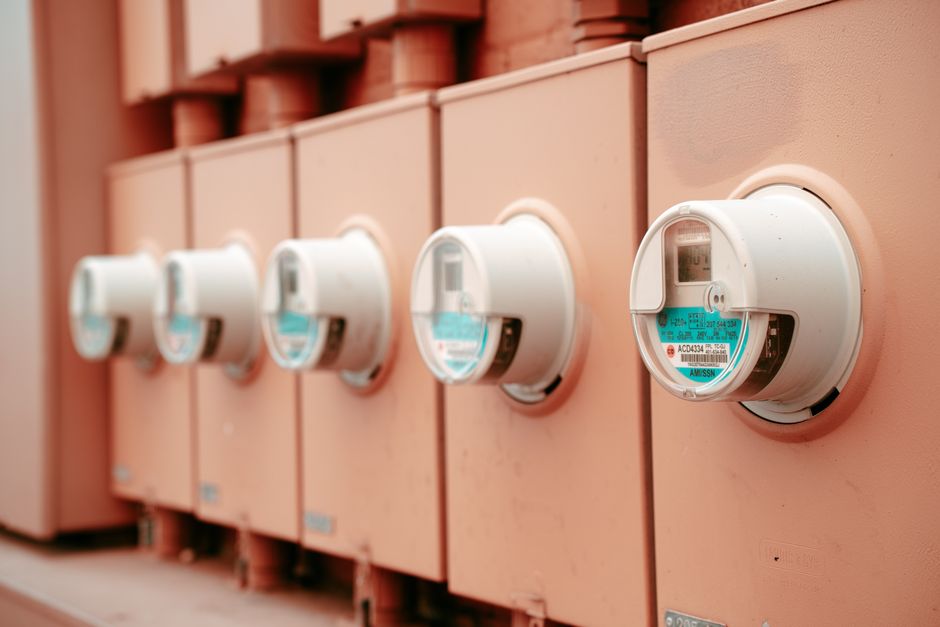
To make net metering work you need a smart meter that can measure import and export separately. Most New Zealand homes already have one; if not, your retailer arranges it as part of going solar — it’s a routine step.
There’s also a change worth knowing. From 1 July 2026, larger retailers must offer time-of-use pricing and time-varying buy-back rates. So when you import and export will start to matter, not just how much — exporting at a peak evening time, for instance, may earn more than exporting at midday. It doesn’t change the core logic of self-consumption, but it adds a timing dimension that rewards batteries and smart usage.
The verdict
New Zealand runs on net metering: your solar powers your home first, and only the surplus is exported. Because the power you buy costs far more than the power you sell, that model makes self-consumption the single biggest lever on your savings — which is why every piece of good solar advice keeps coming back to it. Just don’t let overseas articles built on gross metering or rich feed-in tariffs set your expectations; here, using your own power is the game.
Get a free assessment and we’ll factor your metering and tariff in.
Sources: Powerswitch — solar rates (Consumer NZ); net-metering and 2026 reform detail per the Electricity Authority. Rates vary by retailer.