
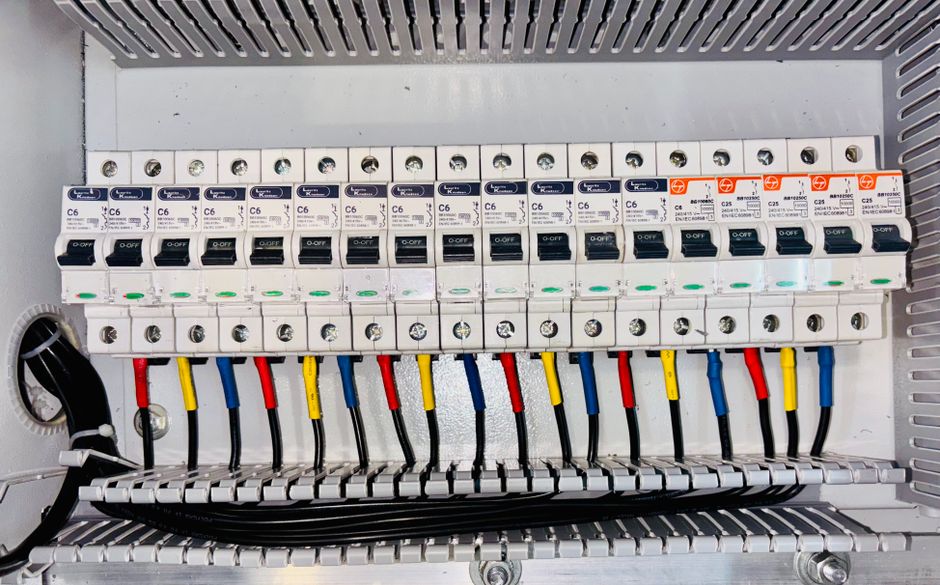
One of the most common “surprises” in a solar quote is a line about upgrading your switchboard — and it can add a meaningful amount to the price. If your home’s switchboard (the meter box with all the breakers) is older, it may need work before solar can safely connect. It’s not a scam or padding; it’s often genuinely necessary. Here’s why it comes up, what’s involved, and how to avoid being blindsided by it.
Why solar can require switchboard work
Your switchboard is where solar connects into your home’s electrical system, so it has to be up to the job. Older boards sometimes aren’t, for a few reasons:
- No spare space. Connecting solar needs a new circuit breaker on the board. A full or older board may simply have no room, requiring a new or expanded board.
- Outdated protection. Modern safety standards expect RCD protection (the devices that quickly cut power on a fault to prevent electrocution). Older boards may lack adequate RCDs, and adding solar is the point at which they need bringing up to current standards.
- An old or undersized main switch. The main switch and board may need upgrading to safely handle the connection.
- General condition. A genuinely old, deteriorated, or non-compliant board may need replacing as part of doing the job safely and to standard — an electrician won’t, and shouldn’t, connect new work to an unsafe board.
In short, solar adds a new power source to your home, and the board has to be able to take it safely and legally.
Why it’s the most common quote surprise
Switchboard upgrades catch people out because you can’t always tell from the outside whether yours needs work — it depends on the board’s age, layout, capacity, and condition, which an installer assesses during the site survey. Two near-identical houses can get different quotes purely because one has a modern board with space and the other has a 1980s board that’s full. A budget of perhaps $1,000–$2,000 is common when an upgrade is needed, though it varies with what’s required.
This is exactly why a suspiciously cheap quote is worth questioning: if an installer hasn’t accounted for switchboard work that turns out to be necessary, the cost reappears later. A thorough installer checks the board and includes any upgrade in the quote up front.
How to know if you’ll need one
You won’t know for certain until an installer surveys your board, but some signs make it more likely:
- An old switchboard with ceramic fuses or old-style breakers rather than modern RCDs.
- A full board with no obvious spare capacity.
- A board that hasn’t been touched in decades.
If any of those apply, mention it when getting quotes and expect the question to come up. A good installer will look at the board as part of assessing your home.
The silver lining
It’s worth reframing a switchboard upgrade as more than a solar cost. A modern board with proper RCD protection is a genuine safety improvement for your whole home, not just for the solar — better protection against electrical faults and shocks on every circuit. So while it’s an unwelcome line on the quote, you’re getting a real safety upgrade for your house out of it, not just a box ticked for the panels.
The verdict
An older switchboard sometimes needs upgrading before solar can connect — for space for a new breaker, modern RCD protection, a main-switch upgrade, or simply because an old board isn’t safe to add to. It’s the most common quote surprise, often $1,000–$2,000, and it’s assessed during the site survey, which is why thorough quotes include it and cheap ones sometimes don’t. The upside: a board upgrade improves the electrical safety of your whole home, not just the solar. Ask about it early so it’s no surprise.
Get a free assessment and we’ll flag any switchboard work up front, not after you’ve signed.
Sources: Switchboard, RCD, and main-switch requirements per AS/NZS 3000 (wiring rules); upgrade cost ranges per NZ industry data (2026). Assessed per home; figures vary.