
Start shopping for solar and the panel spec sheets hit you with a wall of jargon: monocrystalline, polycrystalline, PERC, half-cut, bifacial, n-type, Tier 1. It’s designed to sound impressive, and it’s easy to assume you need to become an expert to choose well. You don’t. For residential roofs the panel decision has very nearly been made for you already — so this guide decodes the labels you’ll actually see, then tells you which of them are worth caring about. (Spoiler: not many.)
The one that matters: cell type
The most fundamental label describes what the panel’s cells are made of. There are three, but for homes the field has narrowed to one:
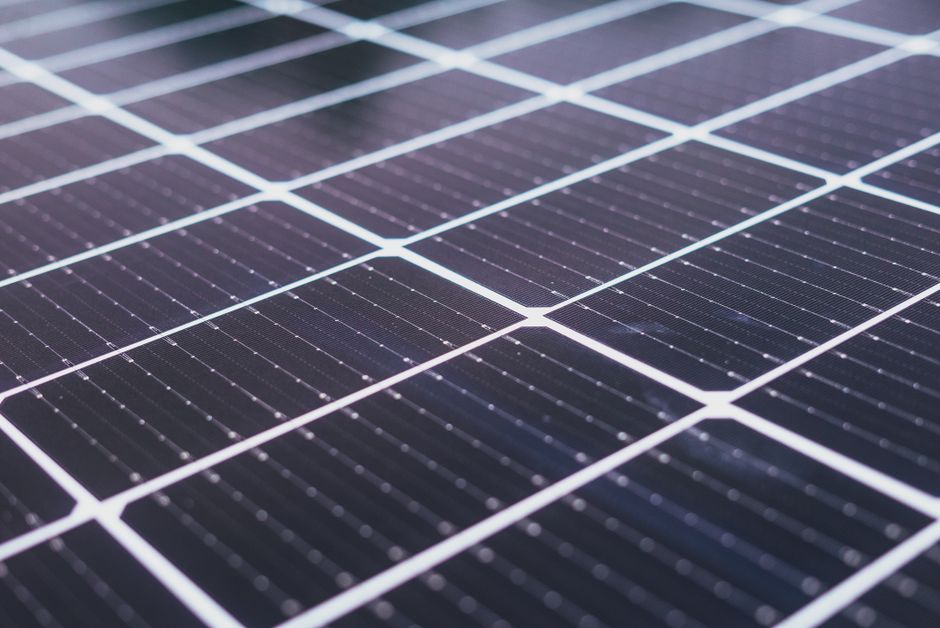
- Monocrystalline — made from single-crystal silicon. These are the most efficient mainstream panels (roughly 19–22% efficiency), perform better in low light, and take up less roof space for a given output. They now dominate home installs, and they’re almost certainly what you’ll be quoted.
- Polycrystalline — made from multiple silicon crystals, recognisable by a bluish, speckled look. Slightly cheaper and slightly less efficient. Once common, now largely displaced as monocrystalline prices have fallen.
- Thin-film — flexible and cheap per watt, but much less efficient, so it needs far more space. Used in commercial and specialist applications, rarely on home roofs.
In practice, you’ll get monocrystalline. So the headline “type” decision is essentially already made — which means the rest of the jargon is detail.
Decoding the marketing buzzwords
These are the terms sales material loves to feature. Here’s what they actually mean, briefly, so they don’t intimidate you:
- PERC — a tweak to the cell design that recovers a bit more energy from the light hitting it. It’s now standard on most quality monocrystalline panels, so it’s more “expected” than “special”.
- Half-cut cells — the cells are cut in half, which reduces internal losses and helps the panel cope a little better with partial shade. A genuine, if modest, improvement; also common now.
- N-type / TOPCon — a newer, higher-grade silicon construction with slightly better efficiency and slower degradation than the older “p-type”. A real step up, but an incremental one.
- Bifacial — panels that can also generate from light reflected onto their back. Useful in specific ground-mount or light-roof situations, but it does little on a typical dark roof, so don’t pay a premium for it on a standard install.
The honest summary: these are all real, mostly beneficial, and mostly already baked into good modern panels. None of them should be the thing that decides your purchase.
What matters far more than the type: quality and backing
Here’s where to actually point your attention. Since you’ll get a monocrystalline panel either way, the real question is who made it and who’ll stand behind it:
- “Tier 1” refers to a manufacturer’s scale and bankability — essentially, how likely they are to still exist in 20 years to honour a warranty. It’s not a direct quality rating, but it’s a sensible filter that steers you away from obscure off-brands.
- The two warranties. A product warranty covers defects (look for 12–25 years), and a performance warranty guarantees the panel still produces a minimum share of its rated output over time (often 80–92% at year 25). Both matter.
- Local support. A warranty is only as good as the company honouring it, so favour brands with a genuine New Zealand presence.
A cheap, unknown panel that degrades fast or whose warranty can’t be claimed will cost you more across 25 years than a reputable one — which is exactly why the brand and warranty beat the marketing buzzwords.
The verdict
Don’t agonise over panel chemistry or memorise the acronyms — for a home roof you’ll get monocrystalline, very likely with PERC and half-cut cells as standard, and that’s a good place to be. Put your energy into choosing a reputable brand with strong product and performance warranties and local support, and a good installer to put it up. The panel type is a near-decided question; the brand, the warranty, and the workmanship are where the real choice lives. For how a panel actually works and what drives its output, see solar panels — the basics.
Get a free assessment for a system spec’d to your roof.
Sources: Panel cell types, efficiency, and Tier-1 information per 2026 industry references; warranty norms per manufacturer data. Figures vary by panel.