
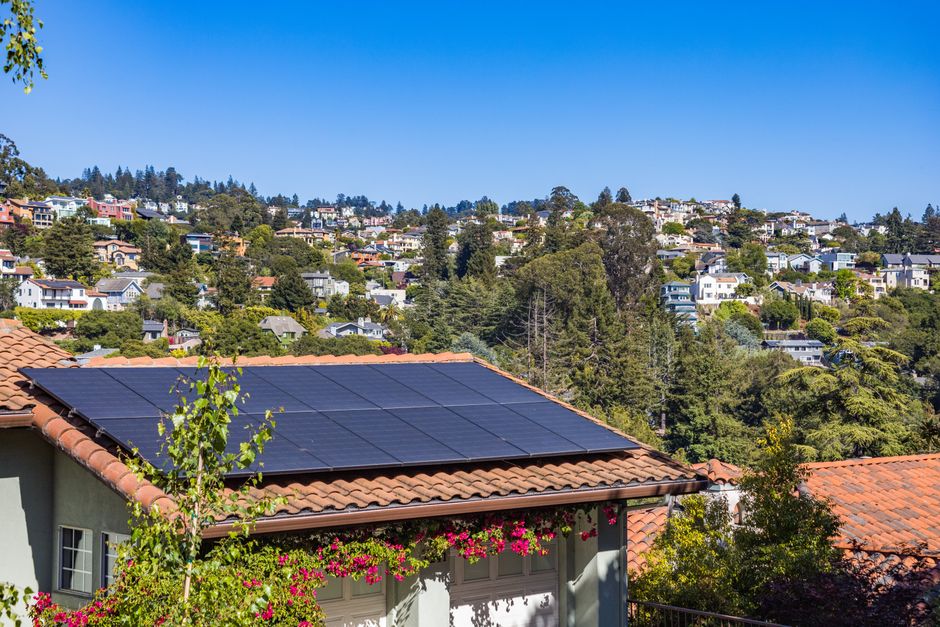
Confusingly, there are two completely different technologies that both go by “solar”, and people often mix them up. Solar PV (photovoltaic) panels make electricity for your whole home. Solar hot water (solar thermal) panels do just one thing: heat water. They look broadly similar on a roof but solve different problems — and for most New Zealand homes today, the answer to “which should I get?” has shifted firmly toward PV. Here’s why.
Two different “solars”
The key distinction is what each produces:
- Solar PV converts sunlight into electricity, which can power anything in your house — lights, appliances, heating, an EV — and export surplus to the grid. It’s flexible: the energy goes wherever you need it.
- Solar hot water uses the sun’s heat to warm water directly, which is stored in a cylinder for showers, taps, and so on. It’s efficient at heating water specifically, but that’s all it does — you can’t run your fridge or charge your car with it.
Both are legitimate technologies. The question is which makes more sense for a modern home.
Why PV usually wins today
A decade or two ago, solar hot water was often the better-value choice — it’s very efficient at its one job, and PV panels were expensive. But the economics have flipped, for a few reasons:
- PV has become much cheaper. The price of solar panels has fallen dramatically, so electricity-generating solar is now affordable in a way it wasn’t.
- PV is far more flexible. It offsets all your electricity use, not just water heating. That makes it useful to more homes and across more of your bill.
- PV can heat your water too. This is the clincher. With a simple solar hot-water diverter (or a timer), surplus PV electricity can be sent to your existing electric hot-water cylinder — effectively giving you solar water heating and whole-home electricity from one PV system. You get the hot-water benefit without a separate solar-thermal system.
So a PV system, optionally paired with a hot-water diverter, now covers both jobs — which is why it’s the default recommendation for most homes.
When solar hot water still has a place
Solar thermal isn’t obsolete, and there are situations where it can make sense:
- Very high hot-water use (large households) where dedicated, efficient water heating is valuable.
- An existing solar hot-water system in good order — no need to rip it out.
- Limited roof space where you specifically want to maximise water heating.
But for a typical home choosing today, these are the exceptions. The flexibility and falling cost of PV — plus its ability to heat water via a diverter — make it the more sensible all-rounder.
The practical recommendation
For most New Zealand homes deciding now: go with solar PV, and if hot water is a big part of your energy use, add a hot-water diverter so your surplus generation heats the cylinder before exporting to the grid (turning low-value export into useful hot water — a nice self-consumption boost). That single system then does what previously needed two, and powers the rest of your home besides.
The verdict
“Solar PV” and “solar hot water” are two different technologies: PV makes electricity for your whole home and is flexible, while solar hot water only heats water. Thanks to falling panel prices and the ability to heat water with surplus PV via a diverter, PV is the more sensible, all-purpose choice for most New Zealand homes today — often making a dedicated solar hot-water system unnecessary. Choose PV, add a hot-water diverter if your water use is high, and you cover both needs with one system.
Get a free assessment and we’ll design a PV system that can heat your water too.
Sources: Solar PV and solar thermal comparison and diverter guidance per EECA and industry references (2026). Suitability varies by home.