
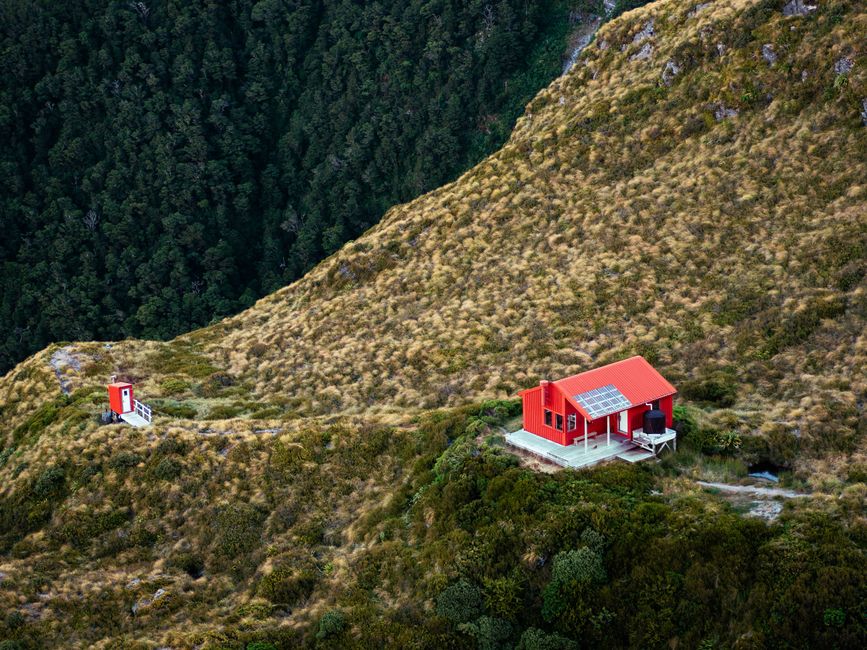
Baches, cabins, and remote blocks are off-grid solar’s natural home. Out where the nearest power line is a fortune away — or simply doesn’t exist — off-grid stops being an idealistic choice and becomes the obvious one. But “off-grid for a bach” covers a huge range, from a simple weekend getaway with a few lights and a fridge to a full-time remote home running everything a suburban house does. How you size and spec the system depends enormously on which end of that range you’re at, so here’s how to think about it.
Why remote properties are off-grid’s sweet spot
The economics that make off-grid a hard sell in the suburbs flip completely out in the country. For a remote property, getting a grid connection can cost $40,000–$100,000 or more to run a line in — if it’s even possible — followed by a power bill forever. Against that, an off-grid system that needs no connection and has no ongoing bill is frequently the cheaper and more practical option. Add that many baches and blocks have low, simple power needs, and off-grid becomes genuinely well-suited rather than a compromise.
The big question: weekend use or full-time?
This is the factor that changes everything about the design.
A weekend or holiday bach
If the place sits empty most of the time and is used in bursts — weekends, summer holidays — the system can often be smaller and simpler, with a couple of important wrinkles:
- It charges while you’re away. The batteries top up during the week with no one drawing on them, so you often arrive to a full bank — meaning you can sometimes get away with less storage relative to your peak usage.
- But you must size for when you use it. A summer-only bach can be sized for generous summer sun; a winter ski retreat must cope with short, dark winter days, which is a much tougher ask.
- Simplicity and reliability matter most. You want it to just work when you arrive, with minimal fuss and maintenance between visits.
A full-time remote home
A permanently occupied off-grid home is a different animal — it’s a complete power system that has to run everything, every day, all year, through the worst of winter. That means a larger array, a bigger battery bank, a properly sized backup generator, and careful sizing for winter — essentially the full off-grid build, designed with no shortcuts because you depend on it daily.
Practical tips for off-grid baches and blocks
Whatever the use pattern, a few things make remote off-grid living smoother:
- Cut demand at the source. Gas or wood for cooking and heating, solar hot water, LED lighting, and efficient appliances all shrink the system you need — which matters even more when every component has to be carted to a remote site.
- Match the system to honest usage. Be realistic about what you’ll run. Oversizing wastes money; undersizing leaves you in the dark or running the generator.
- Plan for winter, or accept generator use. If you’ll be there in winter, size for it; if it’s summer-only, you can size lighter and accept that off-season use leans on the generator.
- Keep it serviceable. Remote means help is far away, so reliable, well-understood gear and a generator you can maintain yourself are worth a lot.
The verdict
Baches and remote homes are exactly where off-grid solar shines — out beyond an affordable grid connection, it’s often the cheaper and only practical way to have power. The key design question is how you’ll use the place: a weekend bach can often run a smaller, simpler system (helped by charging up while empty), while a full-time remote home needs the complete, winter-proof off-grid build. Cut your demand with gas, wood, and efficiency, size honestly for when you’ll actually be there, and an off-grid bach or block can run beautifully on its own sunshine.
Get a free assessment and we’ll size an off-grid system to how you’ll really use your place.
Sources: Off-grid design for intermittent and full-time use, and rural connection cost ranges, per NZ off-grid industry references (2026). Figures vary by site and usage.