
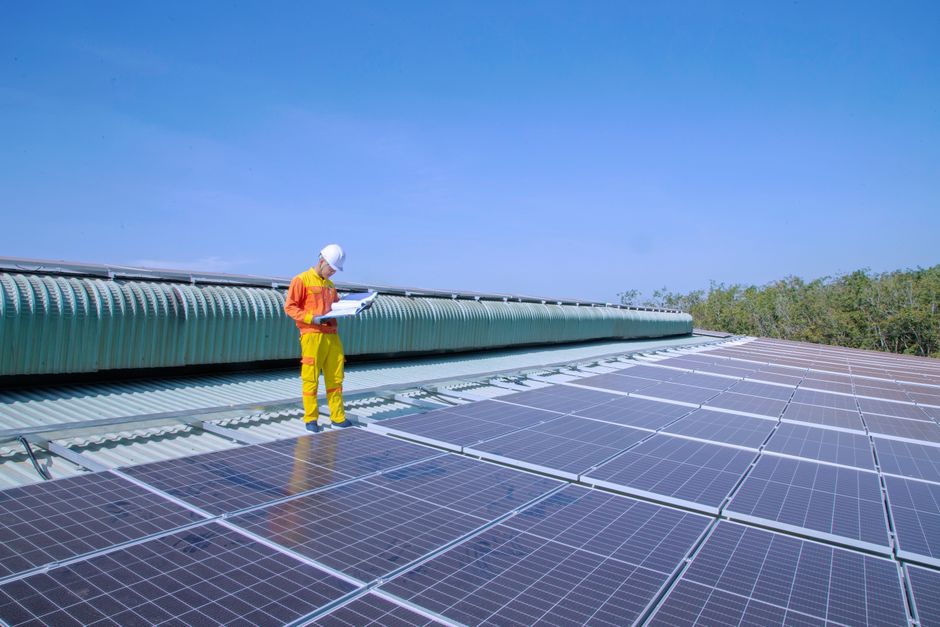
One of the quiet pleasures of owning solar is how little it asks of you. After the install, there’s no fuel to buy, no parts to oil, nothing that needs regular attention — solar is about as close to maintenance-free as a major home system gets. But “close to maintenance-free” isn’t quite “do nothing”, so here’s the genuinely short list of what keeps your panels performing for their 25-plus years.
Cleaning: mostly the rain’s job
The most common maintenance question is whether you need to clean your panels. For most New Zealand homes, the honest answer is no — rain does it for you. Panels are smooth, glass-faced, and mounted at an angle, so rain naturally washes off the dust and grime that settles on them. For the majority of roofs, that’s all the cleaning they ever get, and it’s enough.
A deliberate clean is only worth it in specific situations:
- Heavy soiling — lots of bird droppings, tree pollen, dust, or salt spray near the coast that rain isn’t shifting.
- A shallow roof pitch, where water (and grime) sits rather than running off.
- A long dry spell with visible buildup.
If you do clean, keep it simple and safe: use water and a soft brush or cloth on a cool, overcast day (cold water on hot glass can crack it), avoid harsh chemicals, and — most importantly — never walk on the panels or put yourself at risk on the roof. If it’s awkward or high, that’s a job for a professional.
Watch the monitoring
The single most useful “maintenance” habit isn’t physical at all — it’s keeping half an eye on your monitoring app. Your system reports what it’s generating, and a sustained, unexplained drop in output is your early warning that something needs attention: shade from a growing tree, dirt, or a fault. Glancing at it now and then — and sense-checking that sunny days produce roughly what they should for the season — is how you catch a problem long before it shows up on a power bill. (See meters and monitoring.)
A periodic professional check
Beyond the day-to-day, it’s worth having the system professionally inspected every few years — cheap insurance on a 25-year asset. A solar electrician can check:
- The mounting and fixings, that everything’s secure and weathertight.
- The wiring and connections, for any wear or corrosion.
- The DC isolators, the components most worth keeping an eye on given their fire history.
This isn’t frequent or expensive, but it catches small issues — a loose connection, a degrading isolator — before they become costly or dangerous.
What you don’t need to do
It’s worth saying what’s not on the list, because solar has a reputation for being more demanding than it is:
- No regular servicing like a car or heat pump.
- No moving parts to wear out or lubricate.
- No routine part replacement — the panels just keep going (the inverter is the one mid-life replacement, covered separately).
That’s genuinely it. Solar is a fit-and-largely-forget system.
The verdict
Maintaining solar panels is about as low-effort as home tech gets: rain handles the cleaning for most homes, with the occasional careful clean only where heavy soiling or a shallow pitch calls for it; you glance at your monitoring app to catch any drop in output early; and you have the system professionally checked every few years, with attention to the isolators. There’s no servicing, no moving parts, and nothing routine to replace. Keep that short list and your panels will quietly out-produce their warranty.
Get a free assessment for a quality system that’ll need as little upkeep as possible.
Sources: Panel cleaning, monitoring, and inspection guidance per EECA and industry maintenance references; DC isolator inspection per safety guidance. Practices vary by site.