
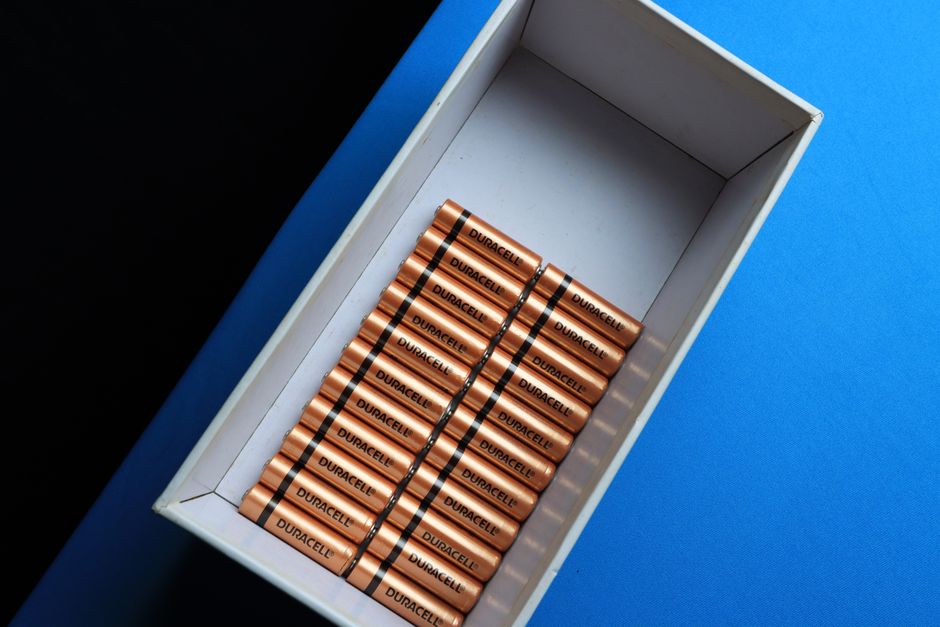
A battery is the most heavily pushed upsell in solar, and also the one most worth pausing on, because it’s expensive enough to change whether your whole project makes financial sense. The honest answer to “do I need a battery?” is: probably not to start with — but it depends entirely on you. This is a decision worth making deliberately rather than letting a salesperson make it for you, so here’s a clear framework for working out whether a battery is right for your home, now or later.
First, what a battery actually adds
A battery stores your surplus daytime solar so you can use it after dark, and that delivers three things:
- Higher self-consumption. Without storage, a typical home uses only about 30–50% of its solar directly; a battery lifts that to roughly 70–90%, because your evening usage now comes from stored sunshine instead of the grid.
- Backup power. Many battery setups keep essential circuits running during an outage — something a standard grid-tied system can’t do, since it shuts off in a blackout for safety.
- Evening independence. You cover the expensive evening peak with your own stored power rather than buying at full retail price.
(For how a battery works in detail, see home batteries — the basics. This guide is about whether you need one.)
The cost reality
Here’s the part that drives the decision. A typical ~10 kWh battery adds around $9,000–$14,000 to a solar project — often close to doubling it. And crucially, a battery lengthens your payback rather than shortening it. The savings it adds (shifting power from the 10c export bucket to the 39c self-consumption bucket) are real, but they rarely repay the battery as fast as the panels repay themselves. So you’re buying resilience and evening value, not a faster financial return. Be clear which of those you actually want.
When a battery makes sense
A battery is genuinely worth considering if:
- Your usage is mostly after dark. If your house is empty during the day, a no-battery system would export most of its generation at the low rate. A battery captures that surplus and lets you use it in the evening — exactly when you need it. This is the strongest case.
- You want backup power. If you’re in an area prone to outages, or you simply value keeping the lights, fridge, and internet on through a cut, that resilience has a worth beyond the bill.
- You’ll benefit from time-of-use pricing. Under the post-July-2026 reforms, exporting stored power at the peak evening rate becomes more rewarding, which improves the case for a battery that can time its output.
When to skip it (for now)
A battery is easy to defer if:
- You’re home during the day and already self-consume well. If you’re using most of your solar as it’s generated, a battery has less surplus to capture, so it adds less.
- You want the fastest payback. If pure financial return is the goal, solar alone pays back faster than solar-plus-battery.
- You’re not sure. This is the clincher: most systems can have a battery added later. Fitting a hybrid (battery-ready) inverter now lets you install panels, live with them for a year to learn your real usage, and add storage only if it clearly stacks up. That’s often the smartest, lowest-regret path.
The verdict
You don’t need a battery to benefit from solar — most New Zealand homes do perfectly well on grid-tied panels alone, and a battery lengthens payback. It earns its keep when your usage is mostly in the evening, when you want genuine outage backup, or as time-of-use pricing rewards stored evening power. If you’re unsure, the no-regret move is to install solar now with a battery-ready inverter and add storage later, once you’ve seen how your own home actually uses power.
Get a free assessment and we’ll model the numbers with and without a battery.
Sources: Self-consumption and battery-cost ranges per NZ industry guides (2026); 2026 time-of-use reforms per the Electricity Authority. Figures vary by home and product.