
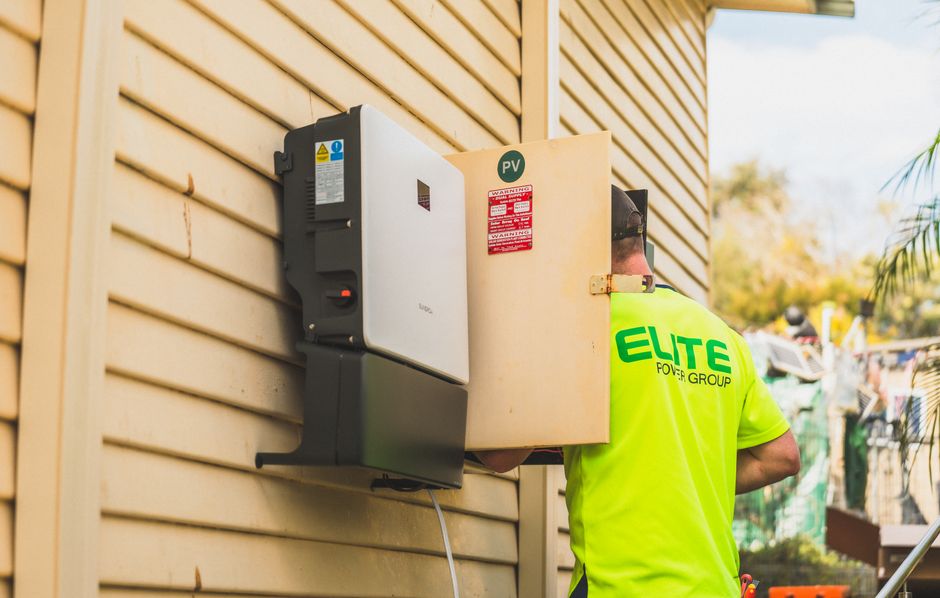
Solar systems are genuinely reliable — no moving parts, decades of life — but no system is entirely trouble-free, and when something does go wrong it almost always announces itself the same way: lower output than expected. The good news is that the common problems are few, and several have simple causes you can check yourself. Here’s how to read a drop in output and work out what’s going on.
Start with the symptom: falling output
Because your monitoring app shows what the system is generating, the first sign of nearly any problem is generation that’s lower than it should be for the season and the weather. So the diagnostic process starts with one question: is the system producing noticeably less than usual on comparable days? If yes, work through the usual suspects, from simplest to most serious.
The common causes, in order of likelihood
1. Shading
The most common culprit, and often a creeping one. A tree that’s grown, a new structure next door, even a TV aerial — anything casting new shade on the array will cut output, sometimes disproportionately (a little shade on one panel can drag down others in its string). Fix: trim vegetation; if the shading is permanent, talk to your installer about whether panel-level electronics would help.
2. Dirt or soiling
Heavy bird droppings, pollen, dust, or coastal salt can build up and reduce output, especially if rain hasn’t washed them off. Fix: a careful clean — cool day, soft brush, never walk on the panels (see how to maintain panels).
3. A tripped inverter or isolator
Sometimes the system has simply tripped off — after a grid disturbance, a storm, or a fault — and isn’t generating because a breaker or isolator has tripped, or the inverter has shut down and not restarted. Fix: check the inverter’s status display; a documented restart procedure can sometimes bring it back, but if you’re unsure, call your installer rather than fiddling with live electrical gear.
4. An inverter fault
If output has dropped sharply or stopped, and it’s not shade, dirt, or a simple trip, the inverter is the prime suspect — it’s the part most likely to fail. Signs: error messages or fault lights on the unit. Fix: check the warranty and call your installer; out of warranty, the inverter usually needs replacing (see when to replace an inverter).
5. A panel or wiring fault
Less common, but a failed panel, a degraded connector, or a wiring fault can cut output. These are harder to diagnose and are firmly electrician territory. Fix: a solar electrician can test the array to find the faulty component.
What you can (and can’t) safely do yourself
A sensible division of labour:
- You can: check the monitoring, look for obvious new shading, arrange a careful clean, and read the inverter’s status display.
- You shouldn’t: open the inverter, poke at DC isolators or wiring, or get on a risky roof. Solar DC is dangerous and can’t be switched off at the panel — anything electrical is a job for a registered solar electrician.
Knowing where that line sits keeps you safe and avoids turning a small problem into a bigger one.
The verdict
Almost every solar problem shows up as lower-than-expected output, so your monitoring app is your diagnostic tool. Work through the likely causes in order: shading (the most common), then dirt, a tripped inverter or isolator, an inverter fault, and finally a panel or wiring fault. You can safely check monitoring, shading, and cleaning, and read the inverter’s display — but anything electrical, especially on the DC side, belongs to a registered electrician. Catch the drop early through monitoring, rule out the simple causes, and call a professional for the rest.
Get a free assessment for a quality system installed to minimise problems in the first place.
Sources: Common fault causes and diagnostics per industry maintenance references (2026); electrical-safety limits per EWRB guidance. Always use a registered electrician for electrical faults.