
One of solar’s quiet advantages is how little it costs to run once it’s on the roof. With no moving parts, day-to-day upkeep is genuinely minimal — but “low cost” isn’t “no cost”, and a payback calculation that ignores the running costs is quietly overstating your return. So here’s an honest rundown of what you’ll actually spend over a system’s 25-year life, so your numbers stay real and nothing catches you out years down the track.
The big one: inverter replacement
If you budget for only one ongoing cost, make it this. The inverter — the box that converts your panels’ DC into the AC your home uses — is the hardest-working electronic component in the system, and it usually doesn’t last as long as the panels:
- String inverters (the common, central type) typically last 10–15 years, with warranties around 10–12. So plan for one replacement during a 25-year system life, at roughly $1,500–$3,000 including the unit and the electrician’s time.
- Microinverters (one small unit per panel) often carry 25-year warranties matching the panels, so usually no planned replacement — you’ve paid for that longevity in a higher up-front price instead.
This is the single ongoing cost most worth planning for, and exactly the one a cheap quote quietly ignores to look better on price.
Cleaning — usually free
In most of New Zealand, rain does the cleaning for you. Panels are smooth, angled, and self-shedding, so for most homes an occasional downpour keeps them performing. A deliberate clean is only worth it where panels get genuinely dirty — heavy bird droppings, dust, pollen, or salt spray near the coast — or where a shallow roof pitch lets grime settle. If you do clean, use water and a soft brush on a cool, overcast day, and never walk on the panels. Most owners spend nothing here.
Insurance — small but worth it
Add the system to your house insurance policy. The premium change is usually small, but a $14,000-plus roof-mounted asset deserves cover against storm, fire, and accidental damage. Tell your insurer when it’s installed — most treat it as part of the house, but confirm it’s included and that your sum insured reflects it. Cheap insurance for genuine peace of mind.
Monitoring and periodic checks
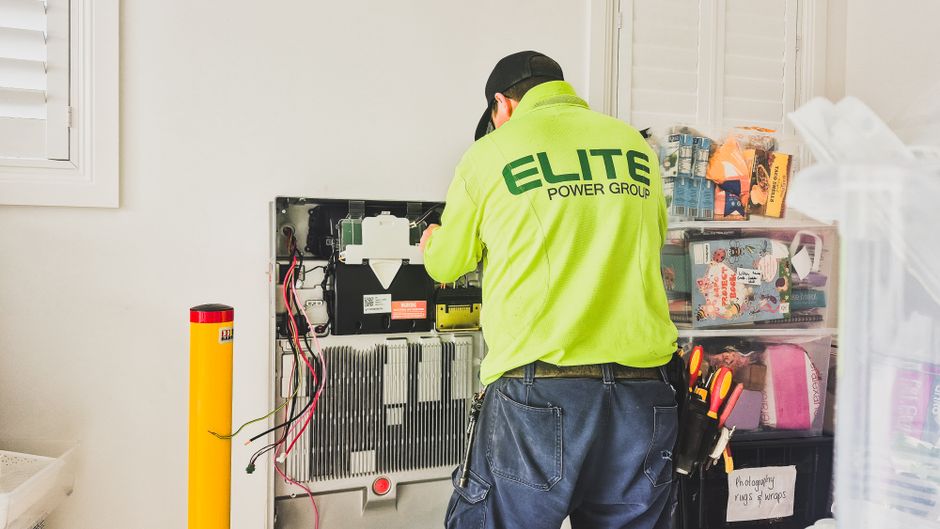
Most systems self-monitor through an app or web portal, which is effectively free and lets you spot a drop in output early. Beyond that, a professional inspection every few years is cheap insurance on a 25-year asset. A sparky can check the connections, the mounting, and — importantly — the DC isolators, which have been a known source of solar fires when they degrade or let water in. A quick periodic check catches small faults before they become expensive or dangerous ones.
The panels themselves — rarely a cost
Panels are the low-drama part. They degrade slowly — about 0.3–0.5% a year — and routinely keep producing well past their 25-year warranty. Barring physical damage from a storm or a stray branch (which is what the insurance is for), you’re unlikely to spend anything on the panels across the life of the system. They genuinely are close to fit-and-forget.
If you have a battery
A home battery is the other component with a finite life. A quality lithium battery lasts well over a decade, but it won’t last forever, so factor an eventual replacement into a battery system’s long-term budget. This is one more reason a battery is a separate financial decision from the panels: it adds both up-front and long-term cost, in exchange for higher self-consumption and backup power.
Why this matters for your payback
When you compare quotes, make sure a mid-life inverter cost is somewhere in the picture. A system that looks marginally cheaper up front but uses a short-lived budget inverter can cost more across 25 years than a slightly dearer one with a better inverter and a longer warranty. The running costs are modest — but they’re real, and a genuinely honest payback figure includes them rather than pretending solar is free to own.
The verdict
Budget for one inverter replacement, keep the system on your house insurance, glance at the monitoring now and then, and have it professionally checked every few years. That’s essentially the entire cost of ownership for two-plus decades of generation — genuinely low, but not zero. Build that small running cost into your sums and your payback estimate stays honest.
Our free assessment includes lifetime running costs — the inverter replacement among them — in the payback, so the numbers you see are the real ones.
Sources: Inverter lifespan and replacement-cost ranges per 2026 industry data; panel degradation per long-term field studies; DC isolator fire risk per industry safety guidance. Figures vary by system.