
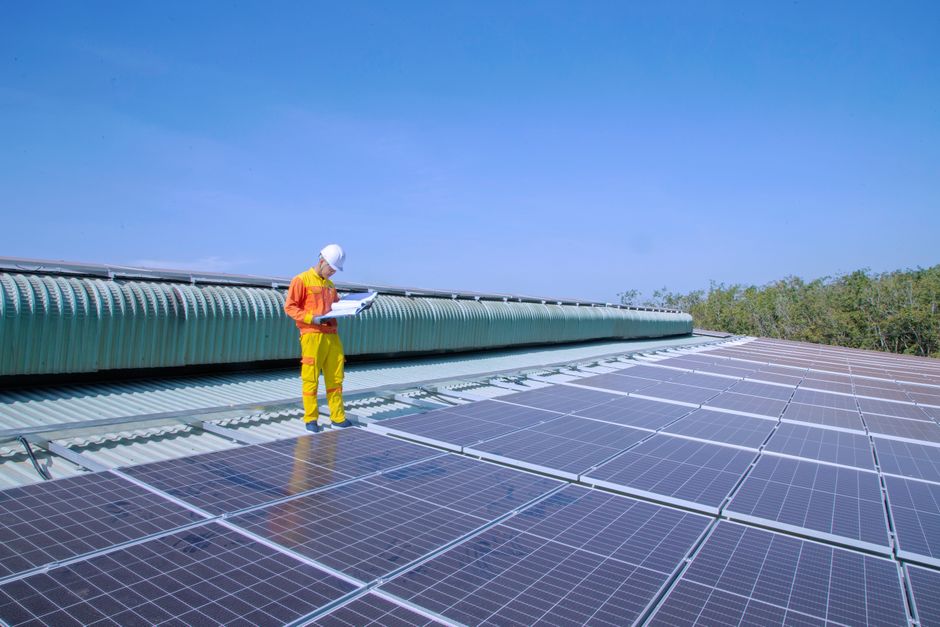
If there’s one decision in your whole solar project that matters most, it’s not the panel brand or the inverter — it’s who you let onto your roof. A good installer sizes the system honestly, mounts and wires it to standard, hands you the right paperwork, and is still around in five years if something goes wrong. A bad one can leave you with an underperforming system, a leaky roof, or a safety problem you won’t discover until it’s serious. Since solar attracts its share of high-pressure operators, knowing how to vet an installer is the most valuable thing you can do before signing anything.
The non-negotiables
These aren’t nice-to-haves — if an installer can’t satisfy them, walk away:
- A registered electrician. Connecting solar to your home and the grid is prescribed electrical work in New Zealand. It must be carried out (or supervised and certified) by an electrician registered with the Electrical Workers Registration Board, who issues a Certificate of Compliance (CoC) for the work. No CoC, no deal — the CoC is your proof the job was done legally and safely.
- Standards compliance. A proper install follows AS/NZS 5033 (the standard for solar PV arrays) and AS/NZS 4777 (grid connection of inverters). A competent installer knows these cold and builds to them.
- Industry accreditation. Membership of a recognised industry body brings a code of practice and accountability — and it’s also what the major banks require before they’ll approve a green loan, so it doubles as a quality signal.
What a good quote looks like
A trustworthy quote is detailed and honest, not a single seductive number:
- Itemised. Panels, inverter, mounting, labour, and any switchboard or extra work are broken out separately — so you can see what you’re paying for and compare like with like.
- Honestly sized. The system is matched to your actual usage, not inflated to the biggest array they can sell you.
- Realistic about savings. Good installers quote savings as a range and explain the assumptions, rather than promising one rosy figure or a suspiciously short payback.
- Clear on warranties — all three. Panels, inverter, and the installer’s own workmanship warranty. That last one matters: it’s what covers a mounting or wiring fault that’s the installer’s doing, not the manufacturer’s.
The red flags
Certain behaviours should put you on guard immediately:
- High-pressure sales tactics — “today only” pricing, a deal that expires if you don’t sign on the spot, or relentless follow-up. A sound investment doesn’t need manufactured urgency.
- A claimed “government rebate”. There is no national solar rebate in New Zealand. Anyone implying there is, or that one is “closing soon”, is either misinformed or misleading you.
- A price far below the going rate. A quote dramatically cheaper than the others usually means something’s been left out — cheaper components, no scaffolding, no switchboard work — that reappears as a cost or a problem later.
- Vagueness about the electrical work. If they’re cagey about who does the wiring, whether you’ll get a CoC, or whether there’s an inspection, treat that as a serious warning.
Get two or three quotes
Don’t sign the first quote you receive. Getting two or three lets you compare not just price, but how each installer sizes the system, what they include, and how they answer your questions. The way they handle scrutiny tells you a lot about how they’ll handle your roof. It’s worth preparing a short list of questions to ask an installer and asking each of them the same things.
The verdict
The installer is the most important choice in your solar project, so vet them properly: insist on a registered electrician and a Certificate of Compliance, check for standards compliance and industry accreditation, demand an itemised quote with realistic savings and a workmanship warranty, and walk away from pressure tactics or imaginary rebates. Get a few quotes, compare like for like, and choose on competence and trust — not just the lowest number.
Get a free assessment for an independent view before you sign anything.
Sources: Standards NZ — AS/NZS 5033; electrical-work and Certificate of Compliance requirements per the Electrical Workers Registration Board (EWRB). Standards and requirements as at 2026.